
A multicultural wedding brings together two cultures, two families and the traditions that matter to each. Planning one in Canada means choosing attire, food and a venue that reflect both backgrounds, and getting your marriage licence in order.
However, bringing these elements together takes careful planning. Families may have different expectations about wedding ceremonies, religious practices, guest lists, and roles. Here is how to plan a multicultural wedding in Canada while respecting both cultures and keeping the practical details under control.
Start by discussing what matters to both partners
A multicultural wedding may include customs unfamiliar to one partner. Discussing these traditions early helps you understand their significance and decide how to include them in your celebration. Here are a few questions you can ask each other:
- Which cultural or religious traditions do we want to include?
- Are there any ceremonies or family customs we consider essential?
- How do we want to divide our wedding budget?
- Which decisions should involve our families?
- Are there traditions we would prefer to adapt or leave out?
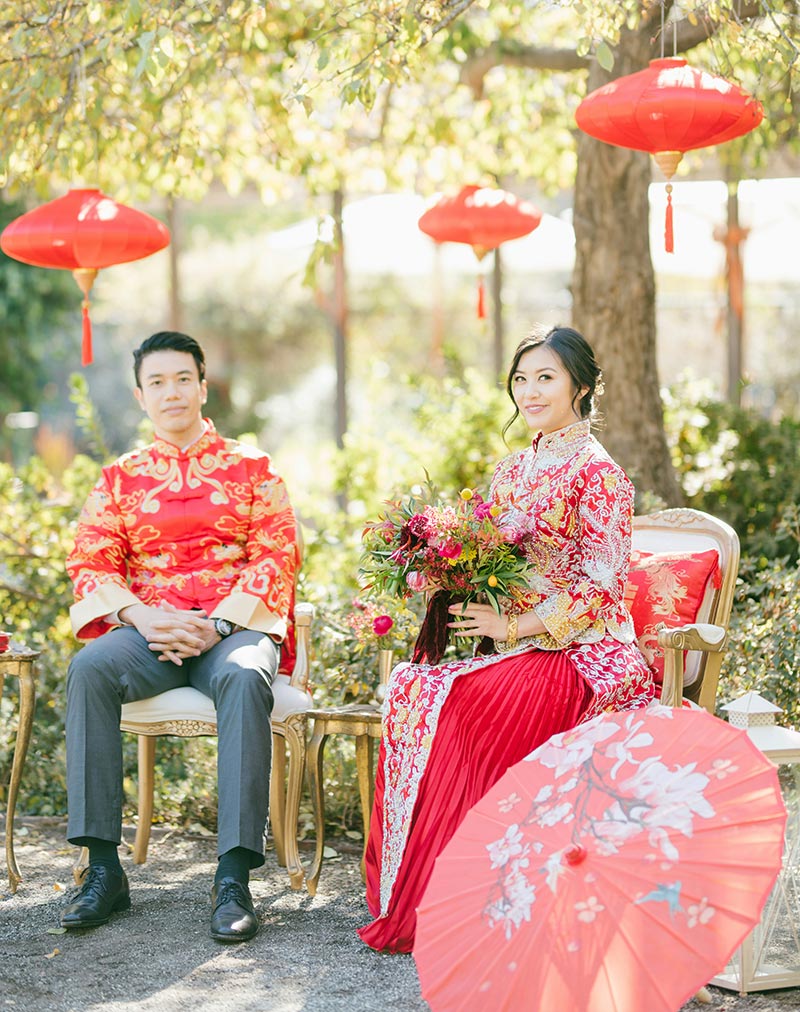
For example, if your partner’s family follows Chinese wedding customs, they may want a traditional tea ceremony or engagement event. You could hold it on a separate day so both families can take part. Make these decisions together rather than assuming one partner’s traditions should take priority.
Decide how to combine your cultural traditions
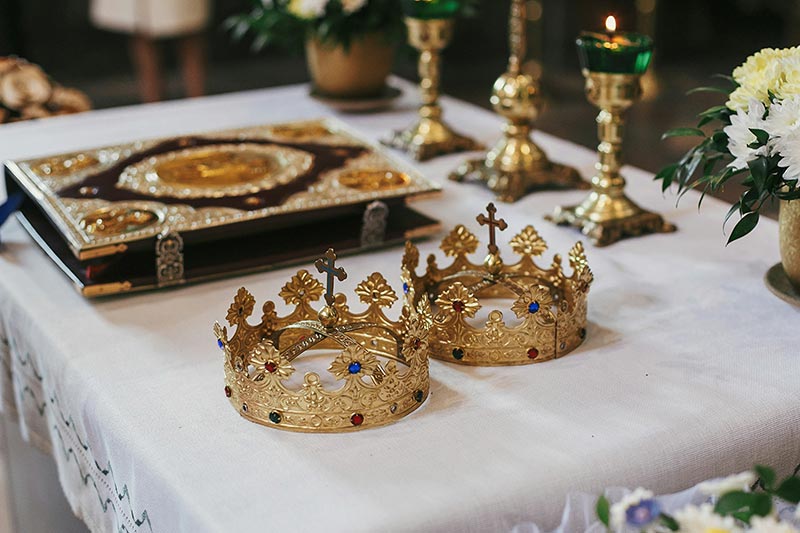
Once you understand each other’s priorities, decide how to incorporate them into the wedding. You do not have to include every tradition from both cultures. Choose the ones that have the most personal meaning and fit your plans. Some cultures have several wedding-related ceremonies, while others focus on one main event. Consider whether these events should happen on the same day or across several days.
For example, you might hold a traditional marriage ceremony with family involvement before hosting a reception with a more contemporary program. If you plan multiple ceremonies, confirm the practical requirements for each one. This includes time for outfit changes, travel between venues, catering, and guest arrangements.
Check the legal requirements for getting married in Canada
Before finalising your ceremony plans, check the marriage requirements in the province or territory where you intend to marry. Confirm rules about marriage licences, identification, proof of a previous divorce, and authorized officiants.
In Ontario, each partner usually needs two pieces of original, government-issued ID. If either of you was divorced outside Canada, you’ll need a Foreign Divorce Authorisation from Ontario’s Office of the Registrar General before the city can issue your licence.
Ottawa requires ID in English or French, or an official translation. Many other Ontario municipalities require a certified translation, often by an ATIO member. Check your city’s rules before your appointment to know if you may require document translation services.
Plan a multicultural wedding menu
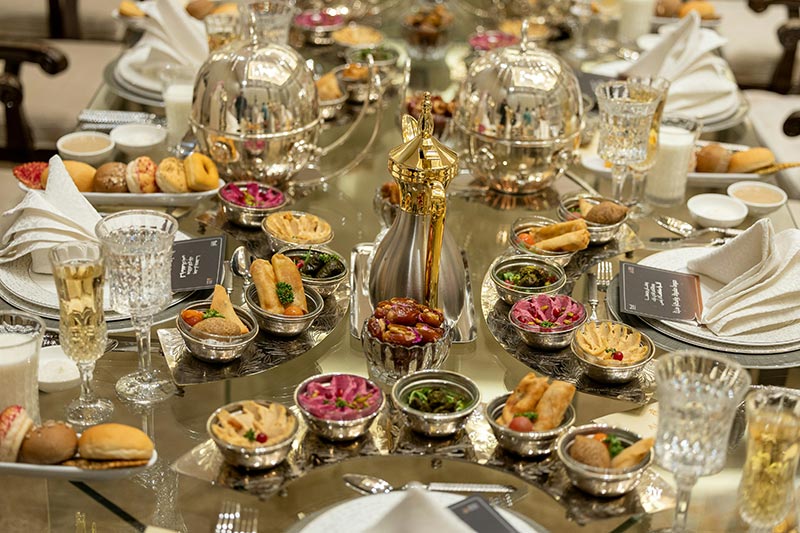
Food is often an important part of cultural celebrations. A well-planned menu lets guests experience both partners’ backgrounds while ensuring everyone has something to enjoy. Start by identifying dishes that have personal or cultural significance. Then talk with your caterer about combining them into a menu that fits your guest count, budget, and venue.
For example, a Chinese-Canadian wedding might serve dumplings, steamed fish and longevity noodles alongside Canadian dishes such as maple-glazed salmon, local cheeses or butter tarts. You could include a few signature dishes, offer different food stations, or serve one cuisine for the main meal and the other for the evening reception. Remember to consider dietary requirements and food allergies. Some guests may need vegetarian, vegan, halal or other options based on their dietary needs or religious practices. Ask your caterer to label unfamiliar dishes and, where appropriate, provide a brief explanation.
Choose a venue that accommodates your plans
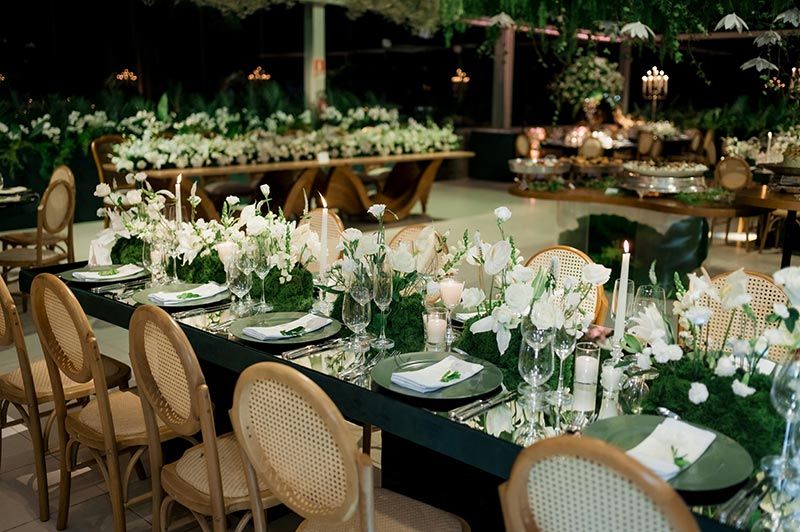
A beautiful space may not be practical if it cannot accommodate your ceremony, entertainment or catering requirements. Before booking, consider the following:
- Capacity: Can the venue accommodate guests from both families, including additional relatives who may be travelling from abroad?
- Layout: Is there enough room for the ceremony, reception, cultural performances and dancing?
- Catering: Can you bring in a specialist caterer or prepare traditional dishes?
- Religious requirements: Can the venue accommodate the ceremony format and any relevant religious practices?
- Accessibility: Can older relatives, guests with disabilities and families with young children move around comfortably?
- Location: Is the venue convenient for guests travelling from hotels, airports or other cities?
For example, if you are planning a wedding with a traditional ceremony in the morning and a large reception in the evening, a venue with separate preparation and event spaces may be more practical than one small room. If many guests are travelling from outside Canada, consider a venue close to hotels and public transport. This can make the experience easier for relatives who are unfamiliar with the area.
Communicate with family members and guests
Parents and relatives may have strong opinions about ceremonies, attire, guest lists, seating arrangements or how money should be spent. Open communication helps prevent disagreements from becoming bigger problems. Discuss important decisions with your partner first, then agree on which matters need family input. This gives you a clear understanding of your shared priorities before responding to different requests.
You should also help guests understand the celebration, particularly if they will be attending unfamiliar cultural ceremonies. A wedding website or invitation can explain the schedule, dress code, venue arrangements, and any customs guests should know. You could also include a short description of each ceremony in the printed programme.
Organize travel and accommodation for international guests
If your families live in different countries, multicultural wedding planning can involve travel and administrative arrangements. Start early so guests and the couple have enough time to prepare. If relatives are travelling from abroad, share the wedding date and location as early as possible. Provide information about nearby hotels, airport transfers, local transport and the distance between venues. Guests should check the Canadian government’s entry requirements for their individual circumstances. Depending on their nationality and travel documents, they may need a visitor visa or an Electronic Travel Authorisation (eTA).
Don’t assume every international guest can enter Canada under the same conditions. Encourage them to review official guidance and apply well in advance where necessary. If you are hosting several events, consider arranging group transport between the hotel, ceremony venue and reception. This can be particularly helpful for older relatives or guests unfamiliar with the area.












Create a realistic budget for your multicultural wedding
A multicultural wedding can add expenses if you plan multiple ceremonies, specialized catering, traditional clothing, or travel for relatives. A clear budget helps you decide what to spend on and what to simplify. Start by listing your main expenses, including:
- Venue hire and decorations.
- Ceremony and officiant fees.
- Catering and drinks.
- Wedding outfits and accessories.
- Photography and videography.
- Music, entertainment and cultural performances.
- Travel and accommodation.
- Invitations, stationery and guest gifts.
- Administrative costs and any required document translations.
If traditional attire is a priority, you might allocate more of your budget to clothing and reduce spending on elaborate decorations. Similarly, if your families live in different countries, you might prioritize travel arrangements over additional reception features.
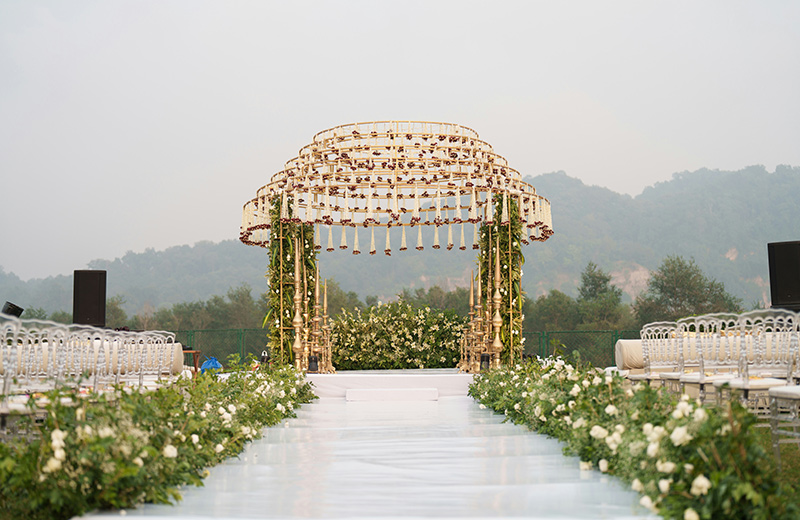
Work with vendors who understand multicultural weddings
Your wedding vendors can make a significant difference to how smoothly the day runs. Look for professionals who are willing to learn about your traditions and accommodate your requirements. When speaking with planners, caterers, photographers, and entertainers, explain which cultural elements matter to you.
Ask whether they have experience with similar celebrations and how they would handle your specific needs. For example, a photographer should know when important cultural rituals will take place so they can prepare for the key moments. A caterer should understand dietary requirements and how to prepare and serve traditional dishes. A wedding planner can coordinate multiple ceremonies, manage the schedule, and communicate with vendors across the celebration. You do not necessarily need vendors who specialize in both cultures. You need professionals who listen, ask the right questions, and are willing to work with your plans. Before signing a contract, confirm the services included, event hours, payment terms, and the cancellation policy.
Share a detailed schedule with your vendors well before the wedding day, and arrange a final coordination meeting if you have multiple ceremonies or performances.