

A wedding dress has to do more than look beautiful in photos. It has to feel right for the month, the weather, the venue, and the pace of the day. A gown that feels perfect in a fitting room can feel very different after an outdoor July ceremony or a long winter-evening reception. Season changes how a dress moves, how it photographs, how comfortable it feels, and how much freedom you have once the celebration starts.
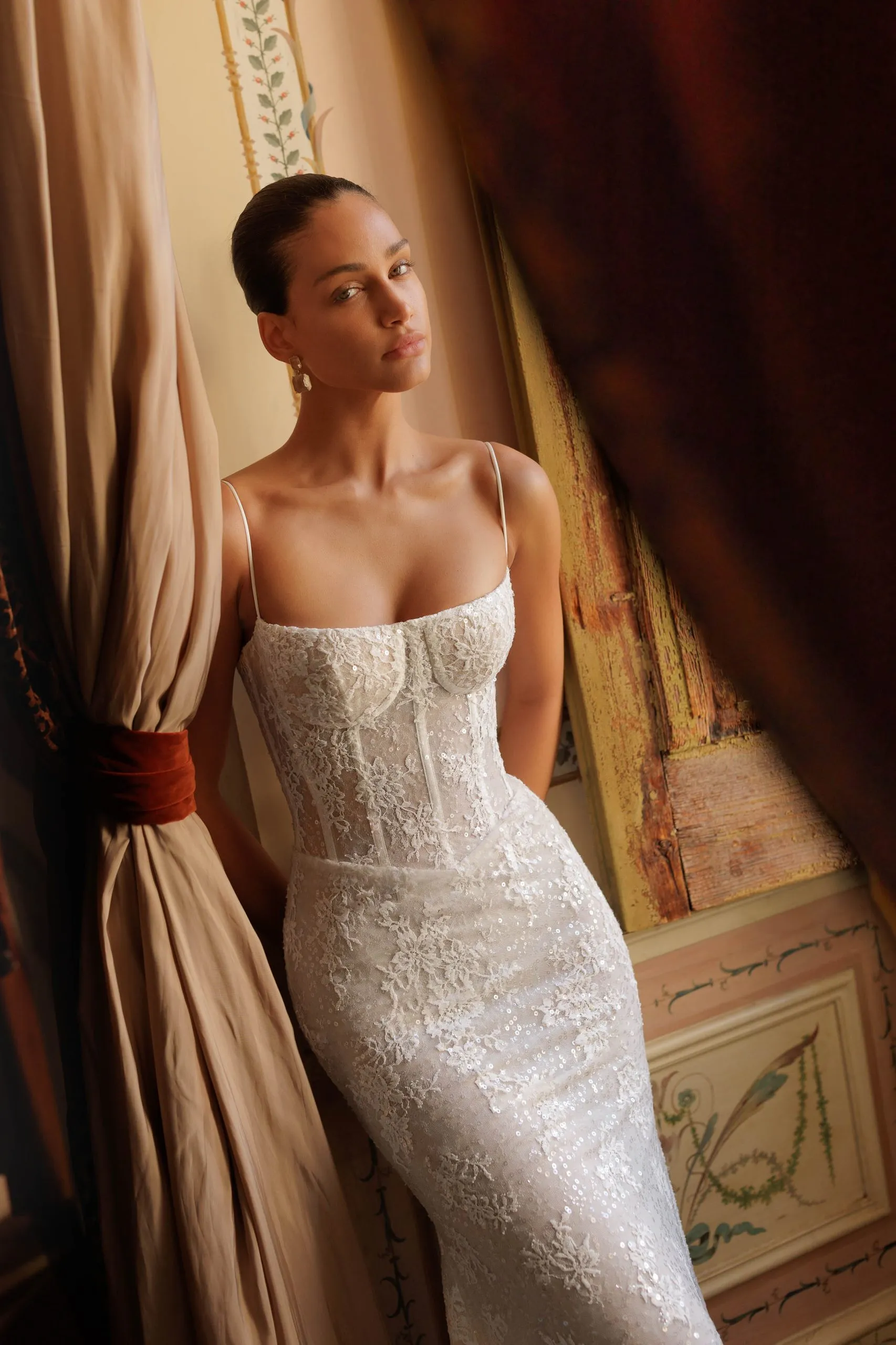
Stylists who help brides choose wedding dresses in Vancouver often start with a practical question before anything else: what season is the wedding, not just which gown you like. The best choice usually comes from balancing beauty with comfort, structure with movement, and mood with practicality.
Many brides are drawn to unique bridal gowns, but the right choice is not only the one that feels memorable in the fitting room. It also has to work with the season, the venue, and the way the day will actually unfold. Once you look at a dress through that lens, the decision becomes much clearer.
Why Season Matters More Than Brides First Expect
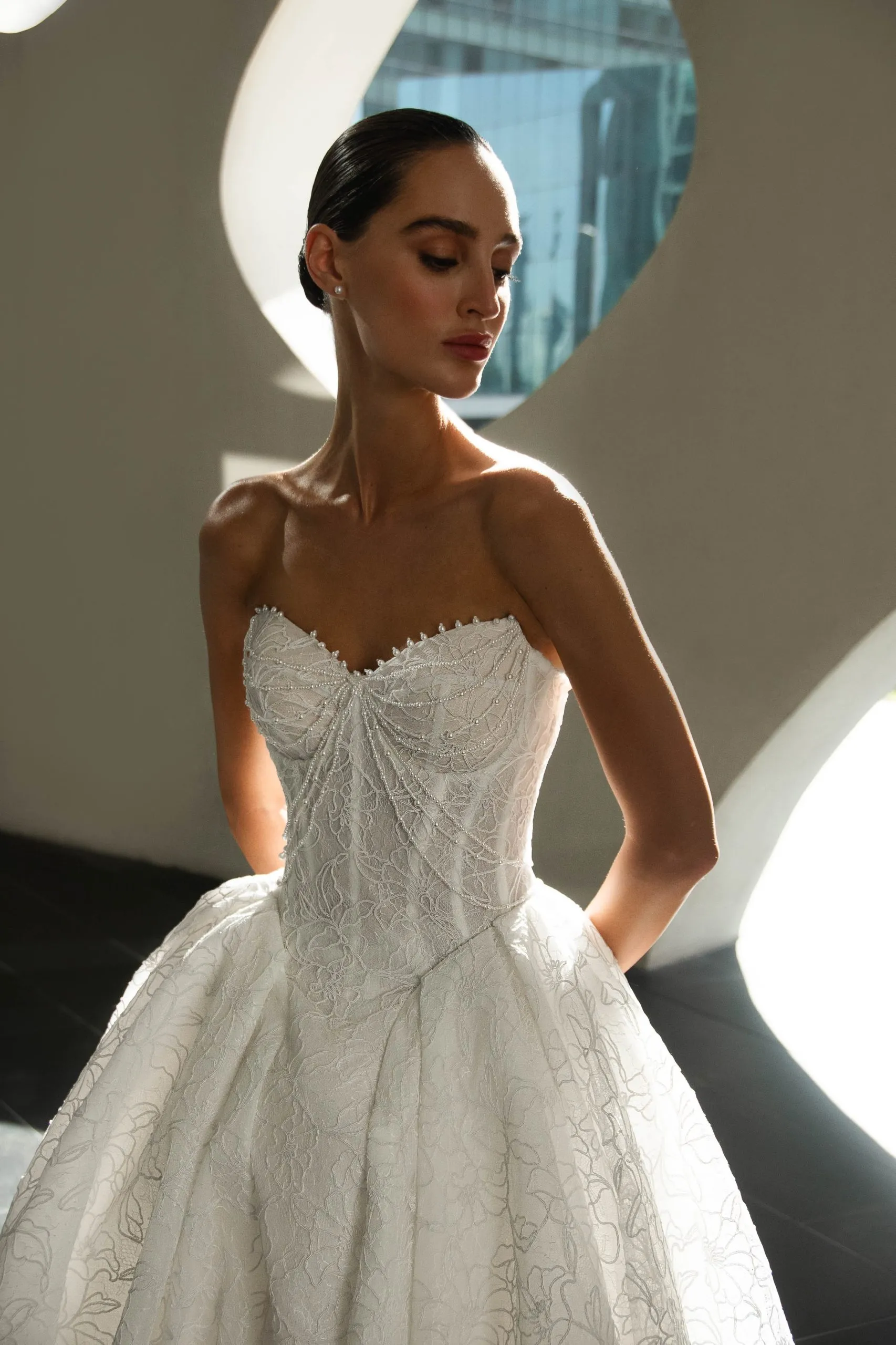
Season affects almost every part of the wedding dress decision. Fabric weight, sleeve length, neckline, train length, lining, and even dress color can feel different once they are matched with real weather. A light, airy dress may be perfect for a warm garden ceremony, but feel too bare in a cold stone venue in late November. A more structured gown may look elegant in winter and feel heavy in August.
Comfort also shapes confidence. Brides tend to enjoy their dress more when they are not constantly adjusting straps, overheating, shivering, or worrying about grass, wind, or wet ground. A well-chosen seasonal dress does not pull attention away from the day. It lets the bride move, greet people, dance, and stay present without fighting the gown.
Season also influences the visual mood of the wedding. Spring often suits softness and movement. Summer favors lightness and ease. Fall usually welcomes richer texture and a little more structure. Winter can carry stronger fabric, longer sleeves, and a more dramatic silhouette. These are not rigid rules, but they are useful starting points.














Spring Dresses Need Movement, Lightness, and Flexibility
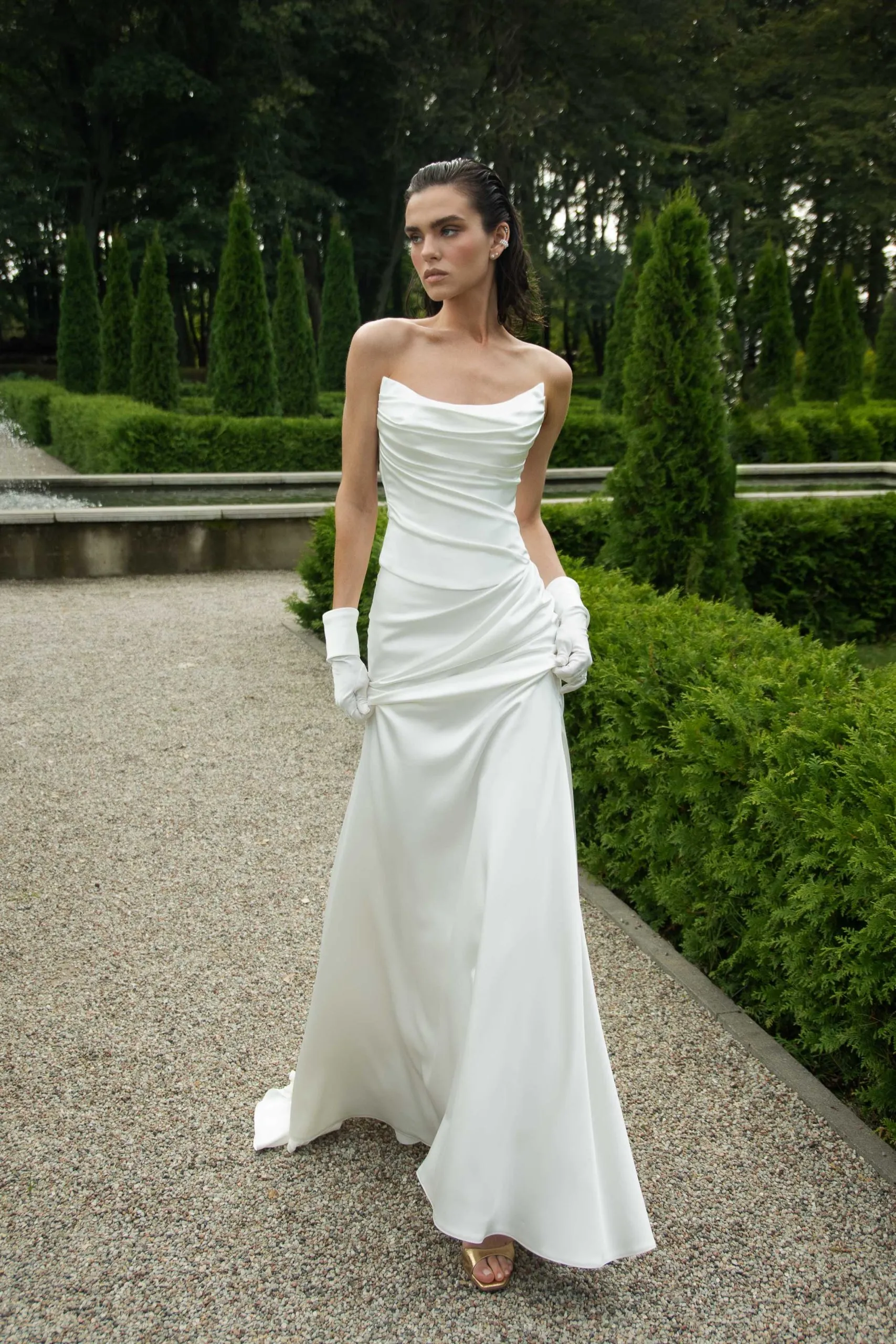
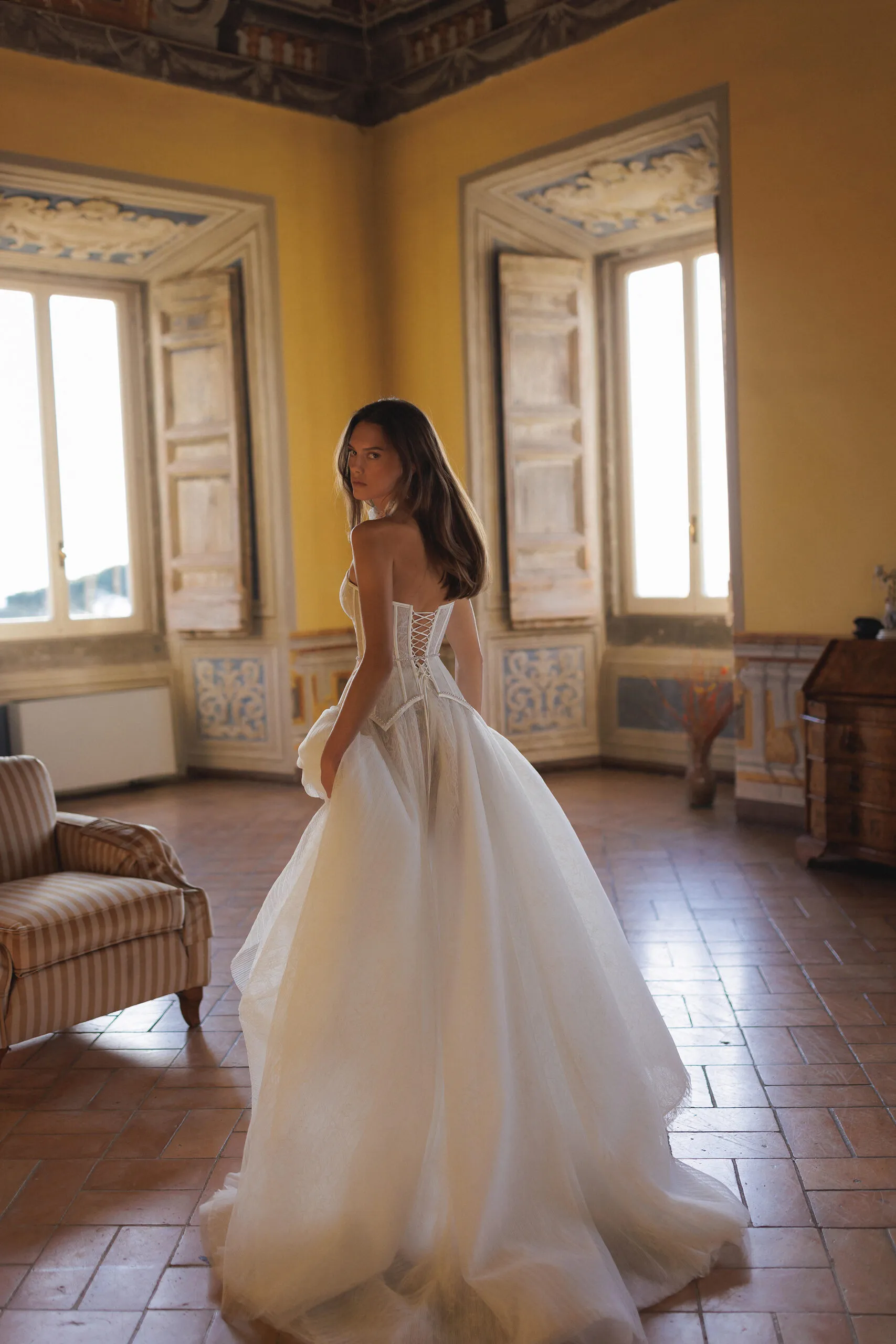
Spring weddings often come with changeable weather. The day may begin cool, turn bright and warm, then drop again by evening. That makes flexibility more useful than drama. Fabrics such as tulle, chiffon, organza, and lighter lace tend to work well because they move nicely and do not feel too heavy if the day turns mild.
Spring is also a good season for softer silhouettes. A-line gowns, flowing skirts, lighter sleeves, and dresses with a delicate texture often suit the mood of the season well. Floral appliqué, airy layers, and a little romance in the design can feel especially natural without looking overly styled.
One practical detail matters here more than many brides expect: the ground. Spring ceremonies can mean soft grass, damp paths, and outdoor spaces that still feel a little unsettled after winter. A very long train or a hem that drags heavily can become more trouble than it is worth. If the wedding includes a garden or outdoor setting, easier movement usually wins.
Summer Dresses Should Feel Cool Before They Look Dramatic
Summer is the season that pushes brides to be honest. A gown may look spectacular on the hanger, but if it traps heat, feels stiff, or asks too much of the body in warm weather, it can become exhausting. Lightweight fabrics usually make the biggest difference here. Chiffon, lighter crepe, tulle, soft lace, and less heavily lined gowns often feel more comfortable over a long day.
Silhouette matters just as much as fabric. A fitted gown can still work beautifully in summer, but it helps if the material breathes and the construction does not feel overly dense. Dresses with lighter sleeves, open backs, softer skirts, or less internal weight often make the day easier, especially for outdoor ceremonies and receptions.
Summer also asks brides to think beyond the ceremony. Heat tends to build over time. What feels fine during the first thirty minutes may feel very different after photos, dinner, and dancing. A smart summer dress is one the bride can enjoy for hours, not just admire in a mirror.

Fall Dresses Can Carry More Texture and Structure
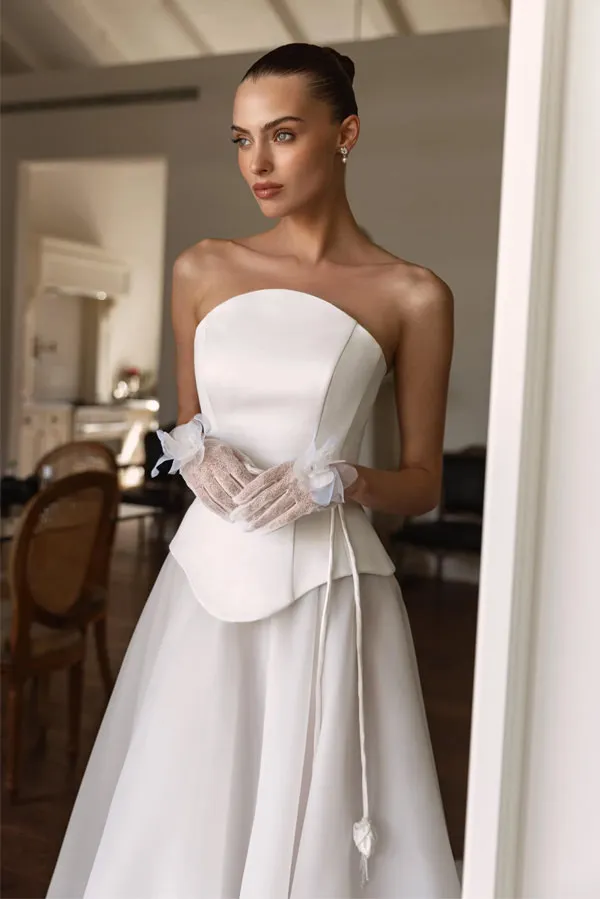
Fall gives brides a little more room to play with richness. Fabrics such as satin, mikado, crepe, and heavier lace often feel right in this season because they hold shape well and suit the mood of cooler weather. This is a strong time for gowns with clean structure, fuller skirts, statement sleeves, or details that feel slightly more tailored.
Color can shift a little in fall, too. Pure bright white still works, of course, but many brides find that ivory, champagne, and warmer tones look especially beautiful against autumn light and deeper floral palettes. Texture also reads well in this season. Matte fabrics, layered lace, and gowns with surface depth tend to photograph beautifully.
Fall weddings often move between indoor and outdoor spaces, which makes balance useful. A dress does not need to be heavy to suit the season, but it should not feel too summery either. Brides often do well when the gown has enough presence for cooler air while still allowing easy movement from the ceremony to the reception.
Winter Dresses Need Warmth, Presence, and Smart Styling
Winter gives bridal fashion a different kind of power. This is the season where structure, sleeves, richer fabric, and a more formal silhouette often feel especially strong. Satin, mikado, crepe, velvet accents, and lined lace can all work beautifully when the wedding setting and temperature support them. The dress can carry more visual weight because the season itself can handle it.
Sleeves often become less about modesty and more about comfort and balance. Long sleeves, illusion sleeves, capes, overskirts, and elegant cover-ups can all add warmth without making the gown feel heavy. Winter brides also tend to benefit from thinking in layers. A beautiful coat, wrap, or structured topper can solve practical problems without taking away from the dress.
Lighting matters in winter as well. Candlelit rooms, early sunsets, and darker venues can make the fabric finish much more noticeable. Structured satin, clean crepe, and richly detailed lace often look beautiful in these conditions. A winter gown usually feels best when it has enough presence to hold its own in a darker, more formal setting.