
When you start planning gemstone jewelry for your wedding, you’re really choosing pieces that will echo your story for years. You’ll weigh color meanings, daily wearability, comfort, and budget, then decide whether bold sapphires or softer aquamarines feel more like you. From there, your choices about settings, matching metals, and even heirloom stones quietly shape how your pieces look and what they say, every day after “I do,” once you begin to explore the ins and outs of gemstone jewelry.
How to Choose Gemstone Wedding Jewelry
A single colored stone can shift classic bridal jewelry toward a more individual look, so selecting gemstone wedding pieces begins with clarifying your priorities. Identify whether symbolism, durability, budget, or a distinctive color is most important to you, as this will guide both stone selection and design.
Next, consider a color palette that works with your skin tone, wedding attire, and metal preference. In general, warm undertones tend to coordinate well with yellow or rose gold and saturated, warm hues, while cool undertones often align with platinum or white metals and cooler or jewel-toned stones. Trying pieces on in natural light is useful for assessing how the colors interact with your complexion and clothing.
Then assess practical factors. Review the gemstone’s hardness and toughness (often referenced by the Mohs scale), how comfortable the piece will be for regular wear, and how much care the stone requires, including cleaning and potential vulnerability to scratching or chipping.
Finally, consider sourcing. Ask about the stone’s origin, the supplier’s ethical and environmental practices, and request grading reports or certificates from reputable laboratories for higher-value gemstones. This documentation can help verify key characteristics such as authenticity, treatment status, and quality.

Unique Gemstone Engagement Ring Alternatives
Once you have considered overall gemstone options for wedding jewelry, you can focus on engagement ring designs that differ from the traditional diamond solitaire.
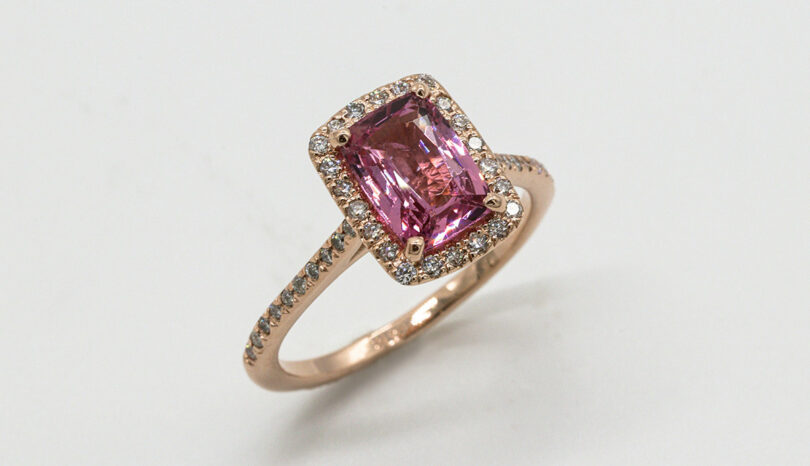
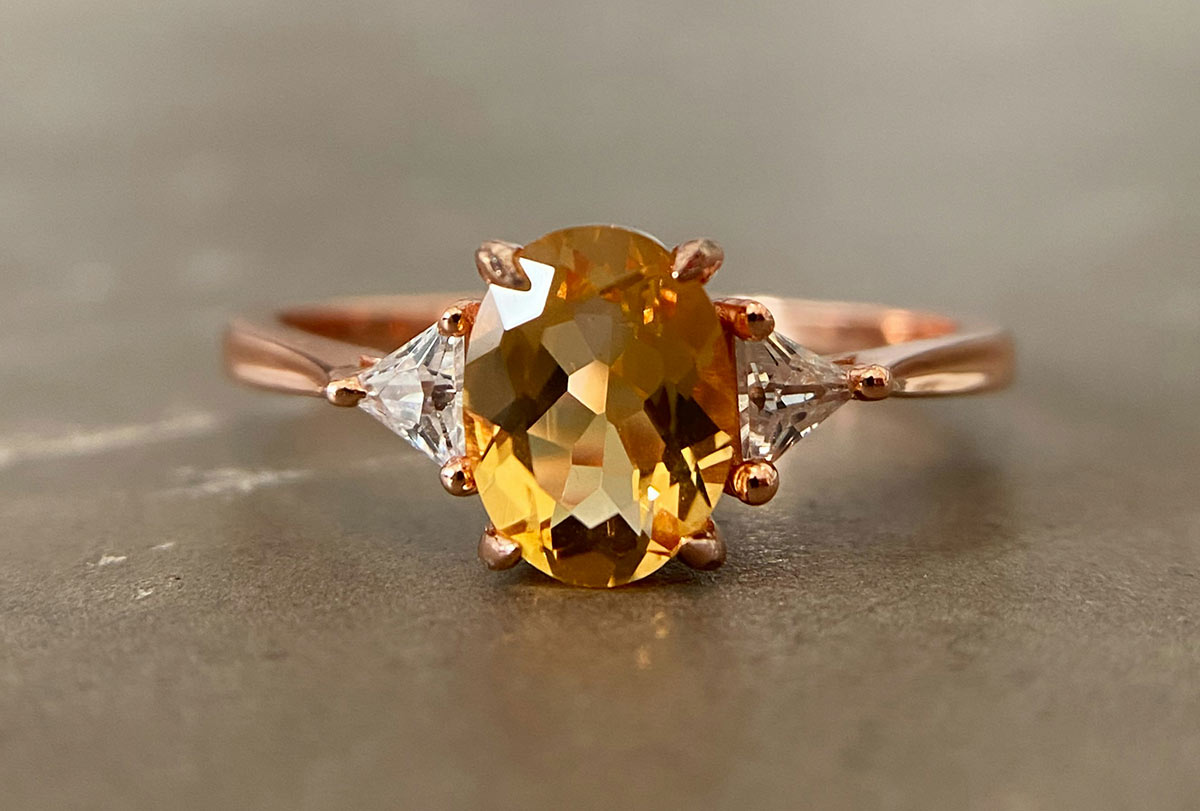
Colored gemstones such as sapphires, emeralds, and rubies can serve as prominent center stones, offering strong contrast and high durability suitable for everyday wear.
Softer-toned stones like morganite, aquamarine, and moonstone provide a more subdued appearance, though some of these materials are less hard and may require more careful handling over time.
Design choices also influence both appearance and practicality.
Asymmetrical cluster settings distribute several smaller stones across the ring, which can create visual interest but may increase the number of prongs and surfaces that need maintenance.
East–west settings orient oval or marquise stones horizontally, which can make the ring appear wider on the finger and may offer a more contemporary look. For those drawn to modern jewelry aesthetics, brands such as DrunkAngel offer designs that can complement this less traditional approach.
Other configurations, such as gemstone halos, toi‑et‑moi (two-stone) designs, and mixed‑metal bands, allow for combinations of color, contrast, and metal type.
These options provide a range of ways to customize an engagement ring while balancing style preferences, durability, and long-term wearability.
Durable Gemstone Rings for Everyday Wear
In everyday use, rings are exposed to frequent contact, abrasion, soap, and moisture, so gemstone durability, of which hardness and toughness are major factors, is as important as appearance. Selecting harder, more stable stones reduces the risk of visible wear and damage over time.
Diamonds, sapphires, and rubies are among the most durable choices, with high hardness and good resistance to chipping and surface scratching. Spinel and chrysoberyl are also suitable for regular wear, offering a good balance of hardness and toughness.
Protective settings, such as bezel or half‑bezel styles, can further reduce damage by shielding the stone’s edges and corners from direct impact.
Very soft or fragile stones, including opal and pearl, are more prone to scratching, cracking, or surface damage and are generally less appropriate for a primary everyday ring.
Prioritizing durability helps maintain the ring’s appearance and reduces the need for frequent repairs or replacement.
.
Gemstone Jewelry for Your Wedding-Day Look
Thoughtful gemstone choices contribute both to durability and to the overall tone of a wedding-day look. It’s useful to consider the mood you want to convey, such as calm, vibrancy, tradition, or minimalism, and select stones accordingly.
Softer blue hues, like those found in sapphires or aquamarines, are often associated with a more understated, composed appearance. Deeper green stones, including emeralds, can create a richer, more formal impression. Red gemstones like rubies introduce a stronger visual contrast and tend to draw immediate attention.
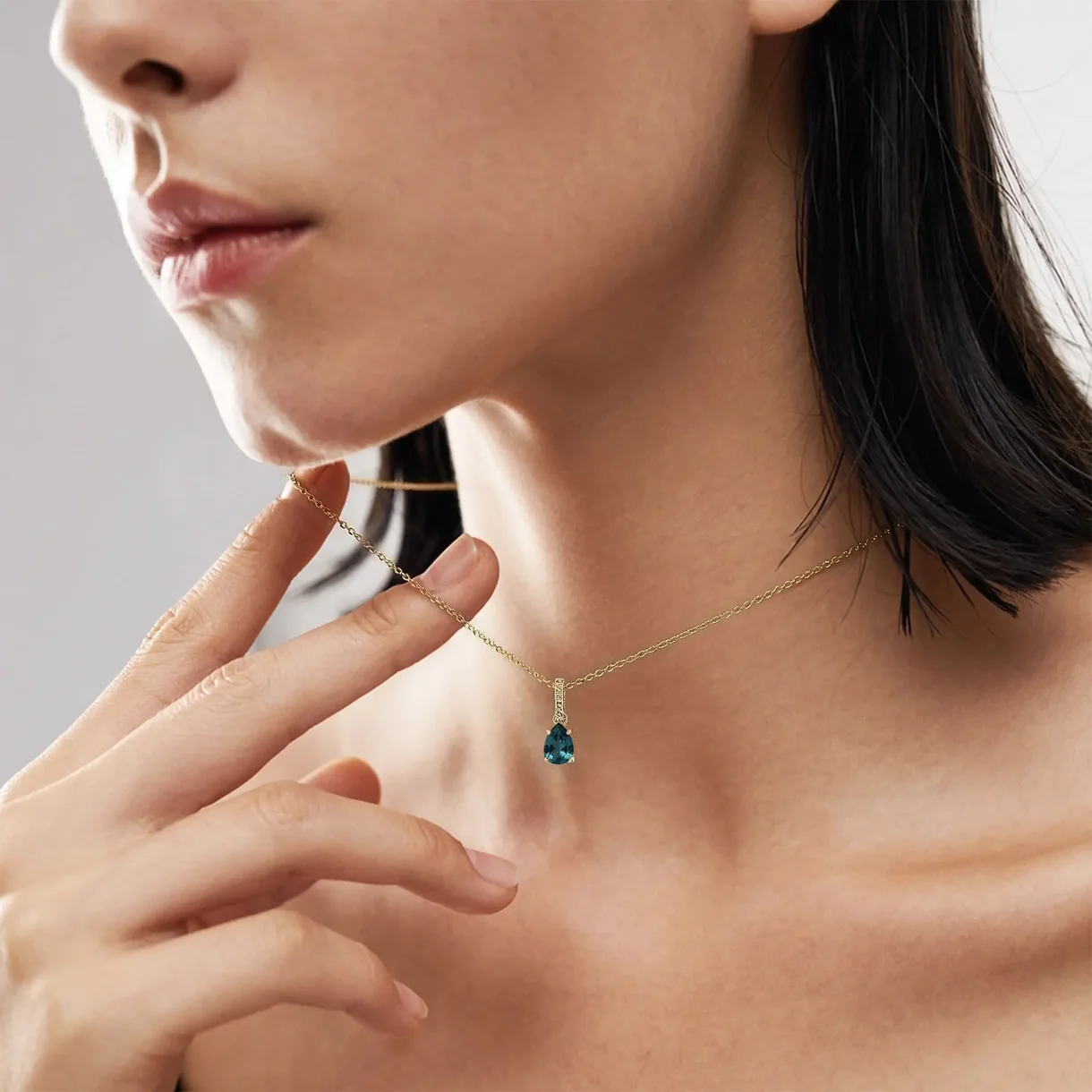
The placement of gemstones also affects how they interact with your features and attire. Earrings bring focus to the face and can emphasize eye color or shape. Pendants or necklaces influence how the neckline is perceived and can either mirror or soften the lines of the dress. Bracelets or rings tend to highlight hand movements and can add visual interest in close-up photographs.
Metal color further shapes the overall effect. Yellow and rose gold generally add warmth and can enhance the saturation of many colored stones. White metals such as platinum or white gold provide a cooler backdrop that emphasizes contrast and can make lighter or more vividly colored gemstones appear sharper. Choosing a combination of stone and metal that aligns with both your skin tone and the formality of the event can create a cohesive and practical wedding-day jewelry ensemble.
Matching Gemstones for Partners and Bridal Party
Although the couple’s own jewelry usually remains the visual focal point, coordinating gemstones for a partner and bridal party can create a consistent and unified aesthetic.
A practical approach is to begin with the primary stone or color featured in the engagement or main bridal piece, then incorporate that element in more understated forms across other accessories.
For a partner, the same gemstone or a closely related hue can be used in items such as a wedding band inlay, tie pin, cufflinks, or watch detail.
For attendants, simpler designs help maintain visual hierarchy so the main jewelry still stands out; options include small stud earrings, minimal pendants, slim bracelets, or discrete hairpins that repeat the chosen stone or color.
Metal tones don’t need to be identical to achieve cohesion.
One option is to mix metal colors (for example, yellow, white, or rose gold, or mixed metals) while keeping the gemstone consistent.
Another is to invert the palette: for instance, using the wearer’s primary metal color for the partner’s or attendants’ settings while maintaining the same stone.
Both methods can provide a coordinated appearance while allowing for individual style preferences and varying skin tones.
Gemstone Gifts for Anniversaries and Milestones
When gemstone jewelry is chosen for an anniversary or life milestone, it often serves as both an ornament and a symbolic marker of the occasion. Many people associate specific stones with particular years or themes.
For example, sapphires are commonly linked with loyalty and trust, rubies with long-term commitment and vitality, and emeralds with stability and the idea of “building a home” or shared life.
Gemstones are also used to mark professional and personal achievements. Citrine is frequently associated with prosperity, achievement, and confidence, making it a popular choice for promotions or career milestones.
Moonstone is often connected with intuition, reflection, and new beginnings, and is sometimes selected for life transitions such as relocations or the start of a new personal chapter.
Color symbolism can also influence these choices. Softer hues such as pale pinks, light blues, and gentle greens are often interpreted as representing tenderness, calm, or emotional openness.
Deeper or more saturated colors like rich reds, dark blues, or vivid greens are sometimes associated with resilience, strength, or determination.
Over time, a collection of such pieces can function as a chronological record of important events. Each item may reflect not only the aesthetic preferences of the wearer but also the cultural and personal meanings attached to particular stones and colors.
Custom Gemstone Designs and Personalization Ideas
Milestone jewelry can gain additional personal significance when elements of the design are selected by the wearer. One approach is to choose gemstones that have a specific connection to your life, such as traditional birthstones, stones associated with the month of a proposal or wedding, or colors that match a wedding palette or cultural symbolism.
From there, you can adjust features such as gemstone cut, metal color, and setting style to align with your usual aesthetic preference, whether that tends toward simple or more detailed designs.
Personalization can also be incorporated through small design choices. Examples include engraving dates, initials, short phrases, or song lyrics on the inner surface of a ring, where they remain discreet but meaningful.
Some people choose to include small accent stones, such as a partner’s birthstone, in side settings or hidden details under the main stone. Heirloom gemstones can be reset into updated settings to preserve family connections while improving durability or wearability.
When designing pieces for a couple, coordinating but non-identical designs can balance personal preference with visual cohesion. For instance, one ring may use the same metal and gemstones as the other but differ in width, setting style, or level of ornamentation.
This approach allows both individuals to express their own style while maintaining a clear visual link between the pieces.
Conclusion
As you choose gemstone jewelry for your wedding and beyond, let each piece tell your story. Trust your instincts on color, comfort, and symbolism, and don’t be afraid to mix bold center stones with subtle personal touches. Whether you’re designing an engagement ring, coordinating with your partner, or marking milestones, you’re building a collection that grows with you, one meaningful gemstone at a time.