
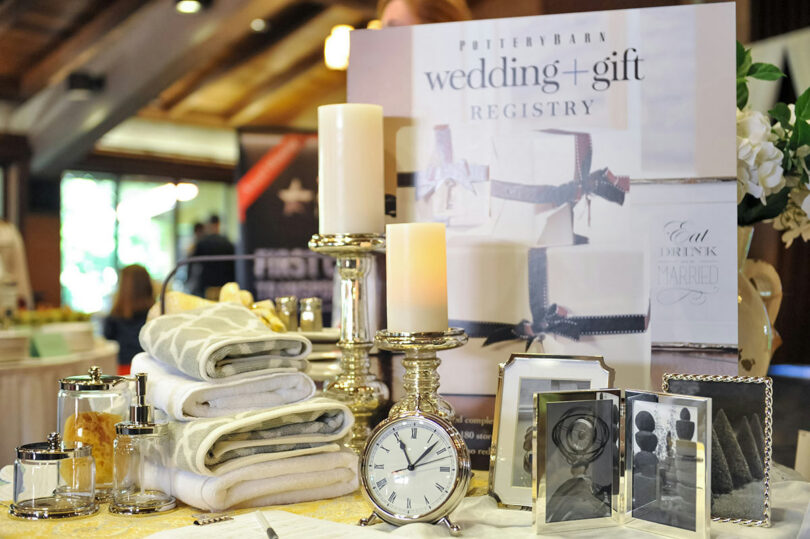
Wedding registries have evolved considerably over the past decade. While traditional gift lists once focused heavily on cookware, dinnerware, linens, and household essentials, today’s couples often take a broader view of what a wedding gift can represent. Many already have established homes and possess much of what previous generations considered registry necessities.
As a result, registries are increasingly becoming reflections of lifestyle, priorities, and future goals rather than simple collections of household products. Couples are thinking more carefully about how gifts will fit into their lives long after the wedding day has passed.
This shift has encouraged greater interest in experiences, wellness-focused purchases, and items that deliver lasting value. Rather than asking what they need immediately, many couples are asking what will continue to improve their quality of life years into the future.
Experiences Are Becoming a Registry Staple
One of the most significant changes in modern registries is the growing popularity of experience-based gifts.
Many couples value shared experiences just as highly as physical possessions. Travel funds, cooking classes, outdoor adventures, concert tickets, and weekend getaways have become common additions to wedding registries because they create opportunities to spend meaningful time together.
Experiences often provide something that traditional gifts cannot. They become memories that couples revisit for years, strengthening relationships through shared moments rather than simply adding another object to a home.
This trend reflects broader consumer preferences as people increasingly prioritize memorable experiences over accumulating additional belongings. For many couples, a registry now serves as a way to invest in future adventures rather than solely furnishing a living space.








Wellness Has Become Part of Wedding Planning
Wellness has expanded beyond fitness routines and occasional self-care purchases. Many couples now view health and well-being as important long-term priorities that deserve attention during major life transitions, including marriage.
This mindset has influenced wedding registries in several ways. Gifts related to healthy cooking, stress management, recovery, fitness, and personal well-being are appearing more frequently than they did in previous years.
Growing interest in nutrition has contributed to this shift as well. Discussions surrounding individualized wellness strategies continue to expand, and companies such as Berrystreet have become part of a broader movement emphasizing personalized approaches to nutrition and long-term health. As couples think about building healthy lives together, wellness-oriented gifts naturally become more appealing.
The result is a registry that often reflects future lifestyle goals rather than simply immediate household needs. You can click the URL to find out more.
Couples Are Thinking Beyond the Wedding Day
Another noticeable trend is the emphasis on long-term usefulness.
Instead of focusing exclusively on items that will be used during the wedding or shortly afterward, many couples evaluate potential registry additions based on how valuable they will remain years later. Durability, versatility, and ongoing relevance frequently influence purchasing decisions.
This perspective has led many registries to become more selective. Rather than requesting large quantities of products, couples often prioritize items that serve meaningful functions and fit naturally into their long-term plans.
The emphasis on value over volume reflects a broader shift toward intentional consumption. Couples are increasingly interested in receiving fewer gifts that genuinely enhance their lives rather than accumulating possessions that may rarely be used.
Home Wellness Spaces Are Influencing Gift Choices
The concept of wellness at home has become increasingly important for modern homeowners.
Many couples want their homes to support relaxation, recovery, and overall well-being. This has led to growing interest in creating dedicated spaces that encourage rest and help balance the demands of daily life.
Saunas, recovery areas, outdoor retreats, and other wellness-oriented features have gained attention as people spend more time considering how their living environments affect physical and mental health.
As wellness becomes a larger priority for newlyweds, couples are spending more time evaluating long-term home investments that support relaxation and recovery. Questions about features such as saunas, recovery spaces, and hydrotherapy systems have become increasingly common, which helps explain the interest in comparisons like those found on SaunaKits.com when couples are considering future wellness-focused additions to their homes.
This trend highlights how modern registries increasingly support broader lifestyle aspirations rather than focusing solely on household basics.

Flexibility Is Replacing Traditional Registry Rules
Today’s couples are often less interested in following rigid registry traditions.
Instead, they prefer options that allow guests to contribute toward goals that matter most to them. Alongside traditional gift selections, many registries now include honeymoon funds, home improvement projects, charitable contributions, travel experiences, and wellness-related investments.
This flexibility benefits both couples and guests. Couples gain greater control over how gifts contribute to their future plans, while guests have more options when choosing how they would like to participate.
The growing popularity of flexible registry structures reflects changing expectations around wedding gifting and a desire for greater personalization.
As registries become more adaptable, they can better reflect the unique priorities of each couple.
Quality Is Taking Priority Over Quantity
Many couples are intentionally moving away from the idea that a successful registry requires a large number of gifts.
Instead, there is growing interest in selecting fewer items with greater long-term value. High-quality products, meaningful experiences, and wellness-focused investments often receive priority over novelty purchases or items with limited usefulness.
This approach aligns with larger consumer trends emphasizing sustainability, intentional purchasing, and thoughtful ownership. Rather than acquiring more possessions simply because they are available, couples are becoming more selective about what they bring into their homes.
As a result, modern registries often feel more curated and purposeful than traditional gift lists.
The most notable wedding registry trend may simply be this shift toward intentionality. Experiences, wellness, flexibility, and long-term value have become guiding principles for many couples, shaping registries that reflect not only what they need today but also the life they hope to build together in the years ahead.