

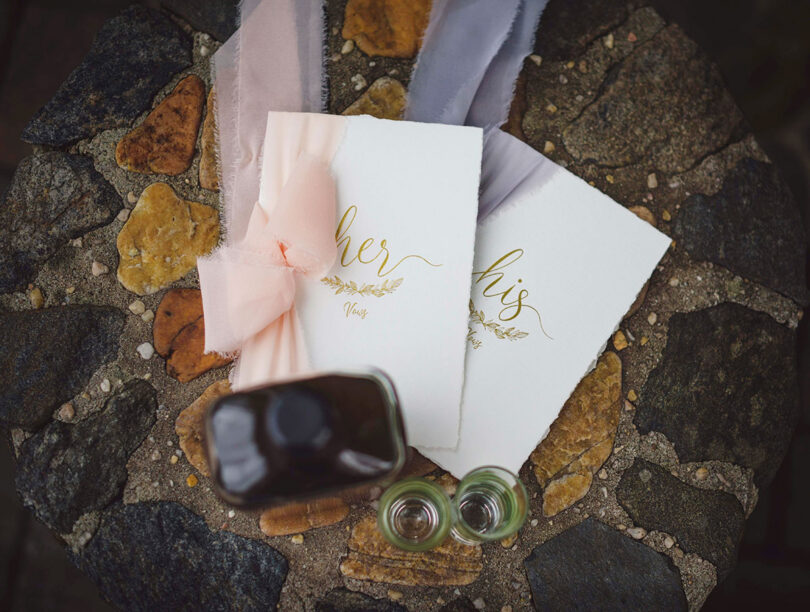
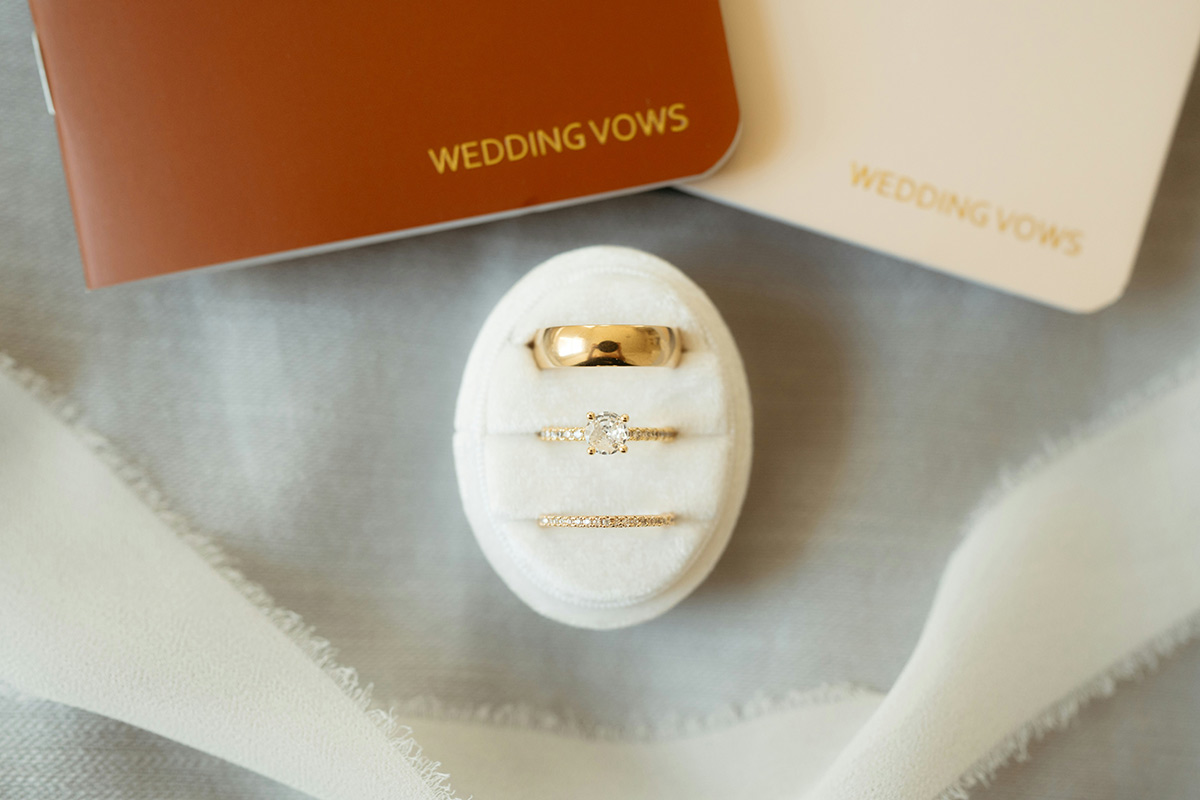
Many couples say that personalizing their wedding ceremony vows is a top priority in wedding planning. Wedding vows are the formal promises that you exchange with your partner during the ceremony, and they frequently stand out as the most memorable part of the celebration.
Many couples face immediate challenges when drafting these statements, particularly when trying to find the exact words to balance deep emotion with structural clarity. You might worry that your text will sound unnatural when you read it aloud to your family and guests.
That is why the advice and romantic wedding vows patterns assembled in this guide come from professional wedding officiants, communication guidelines published, and established public speaking frameworks can help you prepare your text ahead of time. The guide helps you manage delivery stress and ensures that your voice remains steady. Learning how to be well spoken serves as a practical foundation for delivering your ideas clearly on the day. Let’s review these options, so you can select the exact approach that works for your needs!
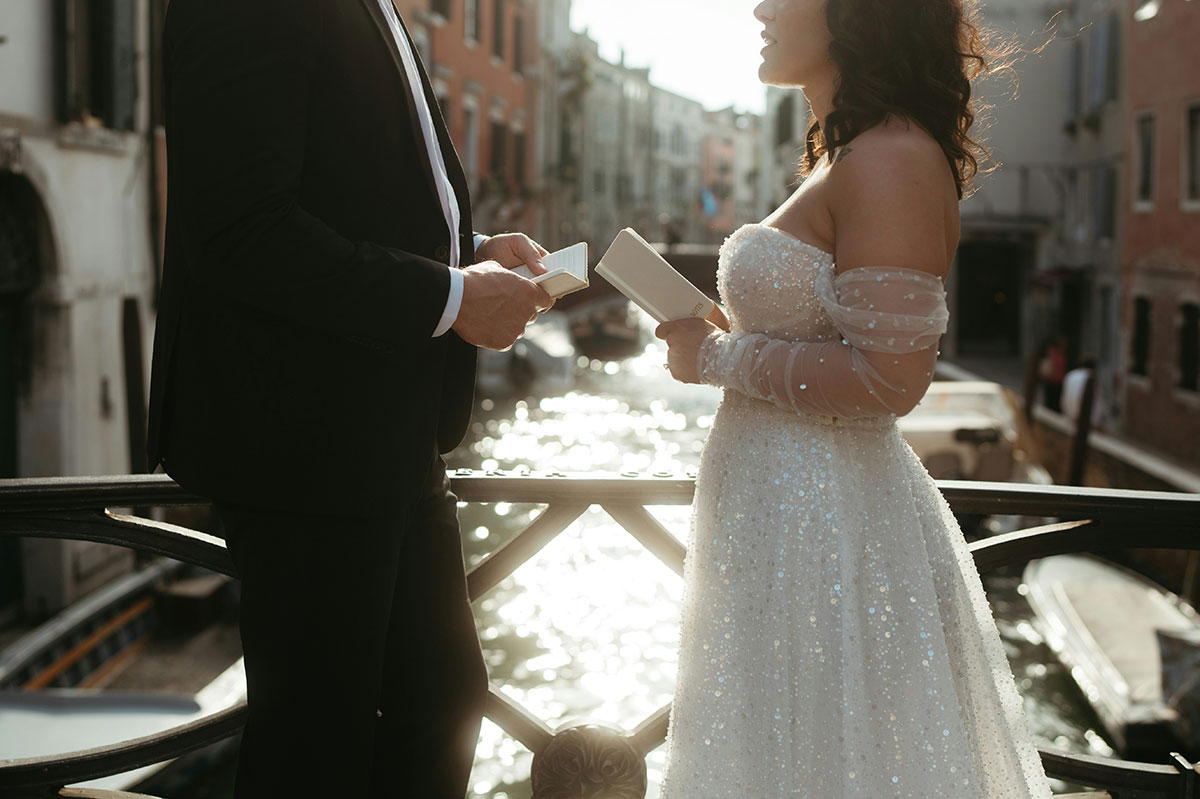
1. Start With the Story That Brought You Together
Many couples start drafting their text by list-building future promises before they ground their speech in the actual history of their relationship. Beginning with a brief shared memory establishes an immediate connection between you and your partner. This narrative opening provides a natural transition into your formal commitments.
You can focus on a few specific milestones to establish this narrative foundation:
- The specific place and context where you first met
- A distinct turning point where you realized your commitment had deepened
- A shared challenge that you resolved by working together as a team
Small Details Often Sound More Personal Than Grand Statements
Focusing on specific daily moments makes your speech feel authentic to your history. Mentioning a regular Saturday morning routine or a specific shared habit provides clear context. These small details ground your personalized vows in reality and bring better storytelling.










2. Learn How to Be Well Spoken Before Reading Your Vows
Couples often spend several weeks drafting their text, but completely neglect practicing physical delivery. Spoken language uses different sentence lengths and structures than written text.
Reading your words aloud helps you identify clunky phrasing and strange transitions before you step up to the microphone:
- Read your text standing up to test your posture and lung capacity
- Time your delivery with a stopwatch to ensure the speech lasts under two minutes
- Remove complex words that cause you to stumble during reading
- Deliver the draft to a trusted friend to verify your volume and clarity
Focusing on intentional breathing and regular eye contact keeps your delivery steady. Pausing between major thoughts gives your partner time to absorb each promise.
3. How to Write Wedding Vows That Sound Like You
A reliable framework keeps your writing organized and prevents you from staring at a blank page. You can follow a standard three-part sequence to build your text logically. This approach helps you maintain your normal speaking voice while avoiding the copy-and-paste look of standard internet templates.
A Simple Structure That Keeps Your Thoughts Organized
You can begin your text with a direct reflection on what your partner means to you, naming one or two specific qualities you respect. Move into the center section by stating your concrete future commitments regarding your household, your communication, and your personal growth.
Close the speech with a definitive promise that anchors your marriage ceremony vows to your shared long-term future. This conversational progression ensures your thoughts remain orderly and easy for your guests to follow.
4. Wedding Vows for Him: Ideas That Feel Personal
Drafting wedding vows for him works best when you focus on the daily mechanics of partnership and long-term family goals. Modern ceremonies often feature a mix of serious commitments and lighthearted observations about daily life.
You can choose a tone that aligns with your typical communication style, matching your daily personality:
Everyday Commitments Often Leave the Strongest Impression
Promises that reference shared household responsibilities or specific supportive habits carry significant weight. You might commit to listening completely before offering advice during hard discussions, or promise to support your partner’s career changes. Grounding your speech in these predictable routines demonstrates a realistic understanding of marriage.
5. Wedding Vows for Her: Meaningful Promises for the Ceremony
When writing wedding vows for her, focus on trust and enduring companionship to create a strong emotional impact. Incorporating unique anecdotes from your early dating timeline reinforces the authenticity of your promises:
- Promise to pursue a specific long-term travel or financial goal together
- Reference a specific memory from your early dating period that defined your trust
- Commit to providing steady personal support during upcoming career or health transitions
- Express clear appreciation for the specific ways your partner supports your daily peace
6. What Great Speakers and Relationship Authors Teach About Commitment
Professional relationship research provides excellent guidance when you need to write meaningful personal wedding vows. Many couples use concise book summaries of nonfiction books to review the core principles of communication before organizing the ceremony text.
Book Insights You Can Read and Test:
- ‘The Seven Principles for Making Marriage Work’ by John Gottman: The book highlights the value of building a deep fondness and admiration system within your relationship. You can translate this research into your ceremony text by explicitly naming the traits you respect in your partner.
- 2. ‘The Five Love Languages’ by Gary Chapman: The author explains that individuals express and receive care through entirely different actions, such as words of affirmation or acts of service. Your commitments can reflect this concept by promising to show love in the specific legal and emotional language that your partner values most.
3. ‘Nonviolent Communication’ by Marshall Rosenberg: The copy focuses on the clear, honest expression of personal needs and feelings without judgment. Incorporating this principle means committing to maintaining open, non-defensive communication throughout your household life.

7. Wedding Anniversary Wishes for a Couple and How They Relate to Vows
The text you write for your ceremony often serves as a structural foundation for your future milestones. When writing or journaling wedding anniversary wishes for couples celebrating years later, partners regularly quote their original promises to measure their shared growth:
- Expressing consistent gratitude for the specific experiences you have built together.
- Reaffirming your support through major career, geographical, or physical changes.
- Showing deep appreciation for the daily choices that sustain your household peace.
- Setting clear commitments for the next phase of your joint retirement or family plans.
Choose Wedding Vows That Feel Natural to Say
Beautiful wedding vows succeed when they blend your genuine personal memories with clear commitments that you can deliver comfortably. Using a simple three-part structure and practicing your text standing up will increase your confidence when you stand at the altar.
Reviewing relationship concepts can help you refine the exact meaning behind your promises. You can adapt these structural templates to your unique relationship timeline to create text that feels completely authentic to your history!