


A tasting shows you flavour. It says almost zero about who will be plating the food at nine o’clock, or what the venue kitchen can handle. The questions below matter more than the tasting menu, and couples often forget to ask them until the quote lands in their inbox.

What an Established Caterer Looks Like
Before comparing proposals, it helps to see one fully staffed operation in action. My Catering Group has been catering weddings and events across Ottawa and Gatineau since 2012, and puts venue arrangements, event staffing, food, and bar service under one contract.
The firm runs the daily cafés and private events at the Canadian Museum of History, the War Museum, and the Canadian Museum of Nature. That kind of institutional work means the company deals every Tuesday with the same operational questions you are wrestling with on a Saturday site visit: who controls each task, who decides on the day, and how the plan fits the room.
A full-service caterer should be able to tell you, by name, who handles staffing, venue coordination, food service, and bar operations. If nobody can, your deposit buys a menu, not a plan.














What a Tasting Should Really Test
Confirm What the Tasting Represents
Ask if the tasting uses your proposed menu, prepared the way it will be on the day, at the portion sizes you plan to serve.
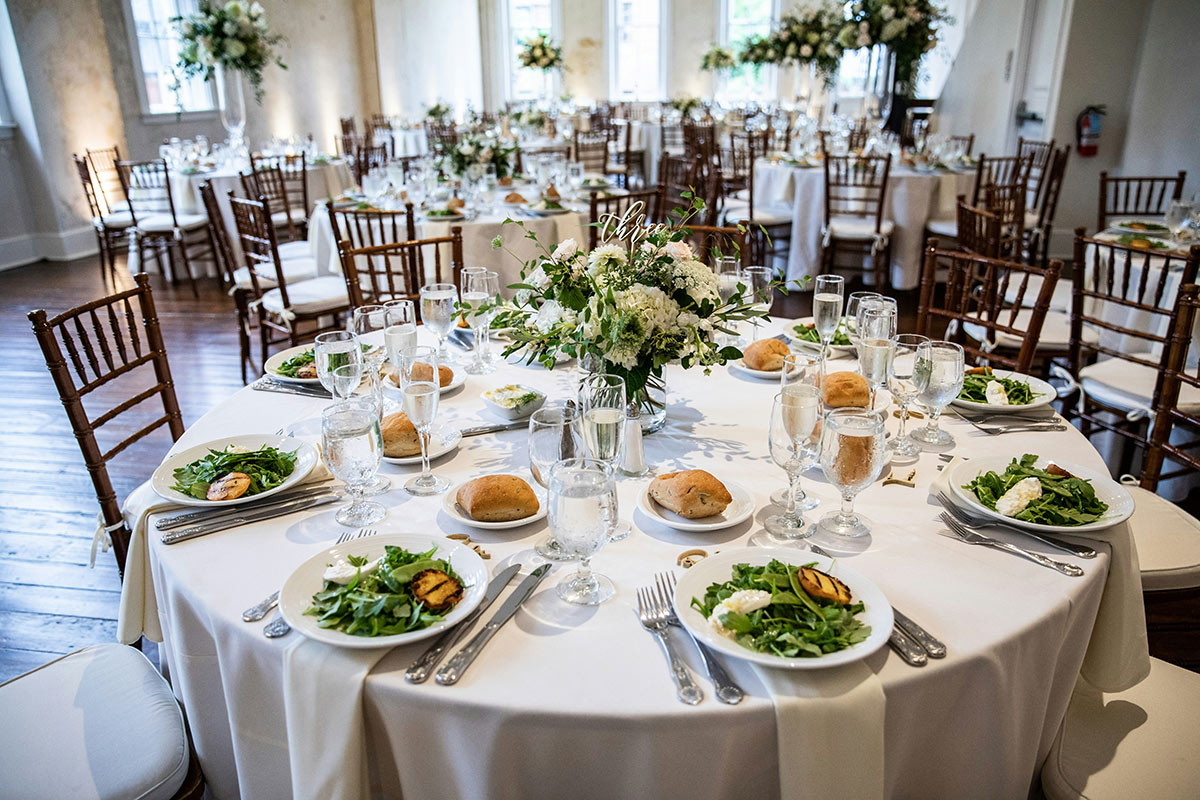
Judge seasoning and temperature at the pace of a real dinner service. Give presentation equal scrutiny: a single plated sample says little about food held in chafing dishes for a buffet, or about the timing of family-style service. Texture counts too.
Match the presentation to your service style. A relaxed barbecue reception asks a kitchen for things a four-course plated dinner never will.
Put substitutions in writing. Suppliers change mid-season, so the agreement should name who approves a replacement dish and how much notice you get.
Separate the Tasting Fee From the Deposit
Tasting policies run all over the map, so get the details on paper before any money moves.
Tasting fee: Is the charge per couple, per guest, or per menu?
Credit: After booking, does any part of the fee come back to you, and under what conditions?
Timing: Do you taste first, or only once you have reserved your date and paid a deposit?
Changes: How many menu revisions are included after the tasting, and when does the revision window shut?
Test Details Beyond Flavour
Check the portion against the plate you plan to serve, and note the gap between courses. Ask how each dish scales once your real guest count is in play. Dietary alternatives deserve a spot at the tasting table when a meaningful share of your guests will be eating them.
Ask About Staffing, the Kitchen, and Dietary Handling
Identify the Wedding-Day Lead
Ask for the title and responsibilities of the person running your event. Find out whether the salesperson you have been emailing shows up on the day, or if the file moves to an event captain as the date approaches.
Your quote should spell out who will work and how many people fill each role.
Kitchen: How many chefs and preparation staff are on site.
Service: How many servers, and the hours each one is booked for.
Bar: How many bartenders, and their scheduled start time.
Supervision: Who is authorized to approve timing changes.
Ask what happens if a scheduled employee falls ill on a busy summer weekend. You want a documented replacement process and an on-call list, not promises that one person will show up.
Match the Menu to the Venue Kitchen
Venues differ enormously. A full commercial kitchen gives the team ranges and ovens on site, plus refrigeration. A warming kitchen holds prepared food at a safe temperature and not much else. Some attractive rooms give you basic power and a water supply, and that is it.
A venue kitchen sets practical limits on service style, plating, and timing.
The caterer should verify the facilities directly with the venue rather than rely on your description of the room. Ask about access time, loading space, and refrigeration; check power and water while you’re there.
Limited kitchen access is workable once the caterer has reviewed the facilities and documented the equipment it brings. The quote should include setup hours and rental costs for portable ovens and refrigeration, plus any hot-holding units.

Ask for the Dietary Handling Procedure
Ask how dietary requests travel from your guest list to the plate: how each meal is labelled, and how that information reaches the server carrying it.
Preparation areas and utensils deserve separate scrutiny when a guest reports a serious allergy. Ask how the kitchen limits cross-contact. Most caterers cannot guarantee an allergen-free environment; the contract and the staff should say so plainly.
A preference and an allergy disclosure are different things, and your event form should treat them that way. The contract should state the deadline for guest requirements and the process for late changes.
Plan for Changes in the Guest Count
Your contract should state the final guest-count deadline and whether the price can decrease after it.
Ask if the guaranteed number can rise past that date, and get the pricing rules for children’s and vendor meals in writing.
Compare Quotes Line by Line
Align the Scope Before Comparing Totals
Put every charge under the same categories, then mark anything a proposal leaves undefined. Check the quantity and service period behind each price before you trust a total.
A lower total may reflect fewer paid labour hours or missing rentals. Compare each proposal against the same guest count and schedule, from the first canapé to the end of bar service.
| Quote category | What to compare | Question that resolves differences | Written detail to obtain
|
|---|---|---|---|
| Menu and service style | Courses, portions, and service format | Does the price cover the same meal and guest experience? | Final menu and service description |
| Staffing | Roles, headcount, and paid hours | How many people are working, and for how long? | Staffing schedule and hourly rates |
| Venue access | Setup time and kitchen requirements | Who pays for equipment required by the venue? | Equipment and access plan |
| Rentals | Linens, tableware, and service equipment | Which items are included, delivered, and collected? | Itemized rental schedule |
| Bar service | Products, bartenders, and licensing responsibilities | What is included in the bar price? | Bar package and division of responsibilities |
| Service charges | Calculation method and stated purpose | Is this an administrative charge, gratuity, or another fee? | Definition beside the charge |
| Overtime | Start time and billing increment | When does overtime begin, and who can authorize it? | Hourly or fixed overtime rate |
| Cancellation | Retained payments and timing | What amount is refundable at each stage? | Cancellation schedule |

Read Each Price Beside Its Assumptions
A per-person price means little without its assumptions: minimum guest count, included rentals and staffing, and service hours. A $95-per-person quote covering five hours of service and full rentals is an entirely different purchase from $95 covering food alone.

A $95-per-person quote covering five hours of service and full rentals is an entirely different purchase from $95 covering food alone.
Location, labour, service style, and your rental list all move the final price. Weigh the complete scope, not the headline rate.

Read the Deposit and Contract Terms Before You Pay
Define What the Deposit Secures
Ask what the payment actually secures. Some deposits hold the date. Others confirm the menu or cover planning work already completed. The agreement should state the amount, due date, and refund conditions.
Then review the full payment schedule. You should know when each later instalment is due and which changes require a revised estimate or signed amendment.
Calculate the Possible Final Bill
Build a realistic high-cost estimate before signing: expected guest count, taxes, the stated overtime rate, plus rentals and every defined service charge. Compare that total with your budget, not with the first proposal number.
A service charge and a staff gratuity are not necessarily the same thing. Ask for a plain-language definition beside each charge so you know where the money goes.
Ask who can approve overtime on the wedding day. A named decision-maker keeps an extra half-hour of service from becoming an unexplained invoice item.
Put Cancellation and Postponement on a Timeline
Read the cancellation terms as a calendar. Note which payments stay refundable at each stage, and what changes when you postpone the date altogether.
Ask how the caterer handles costs already committed on your behalf, such as confirmed rentals or specialty product orders. The contract should cover venue closures, severe weather, and anything else that could stop the event from proceeding as planned.
Choose the Quote You Can Fully Explain
The right proposal is the one you can explain without looking anything up: menu, labour, equipment, service charges, and payment dates. When a clarification changes the scope, request a revised written quote. Verbal reassurance binds nobody.
Once you have every responsibility and cost on paper, sign with confidence and get back to planning the celebration.