

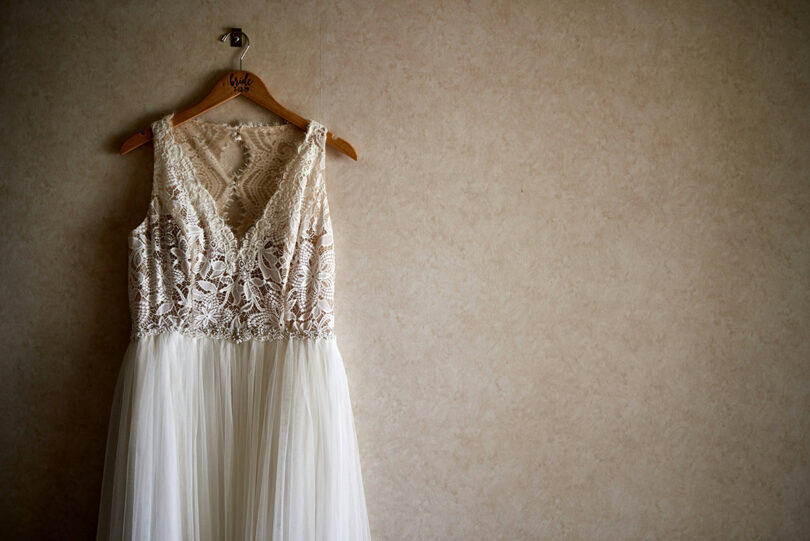
You spent months choosing your wedding dress. You saved photos. Booked fittings. Adjusted every detail until it felt right.
Then the wedding day came and went in a blur.
Now the flowers are fading. The gifts are stacked in a corner. And your dress is hanging in a closet, waiting. It looks fine. So you tell yourself you’ll deal with it later.
But even when a gown looks clean, it isn’t always stain-free. Sweat, perfume, makeup, and clear drinks can leave behind residue you can’t see. Over time, those hidden traces can cause yellowing and damage to the fabric.
That’s why many brides regret waiting.
If you’re unsure whether preserving your gown really matters, or if it can wait, here’s what you need to understand before time changes the fabric for good.
What Really Happens If You Don’t Preserve Your Wedding Dress?
Most gowns look fine after the wedding. No large stains. No obvious damage. And that’s exactly why many brides delay doing anything.
The problem is what you can’t see.
Body oils, sweat, perfume, and even clear drinks dry without leaving dark marks. But the residue stays in the fibers. As it reacts with air, oxidation begins. And oxidation is what slowly turns white or ivory fabric yellow.
Silk tends to show this first. Still, satin, lace, chiffon, and tulle are not immune. Fabric fibres naturally weaken over time, especially if they’re exposed to heat or moisture.
Where you store the dress makes a difference, too. Attics get hot. Basements get damp. Regular cardboard boxes release acids. Plastic garment bags can trap moisture instead of protecting the fabric.
None of this happens overnight. It’s gradual. Which is why it often catches brides off guard years later, when the damage is already set.
Why Preservation Is Different From Regular Dry Cleaning
Dry cleaning focuses on removing stains. Preservation prepares the gown for storage.
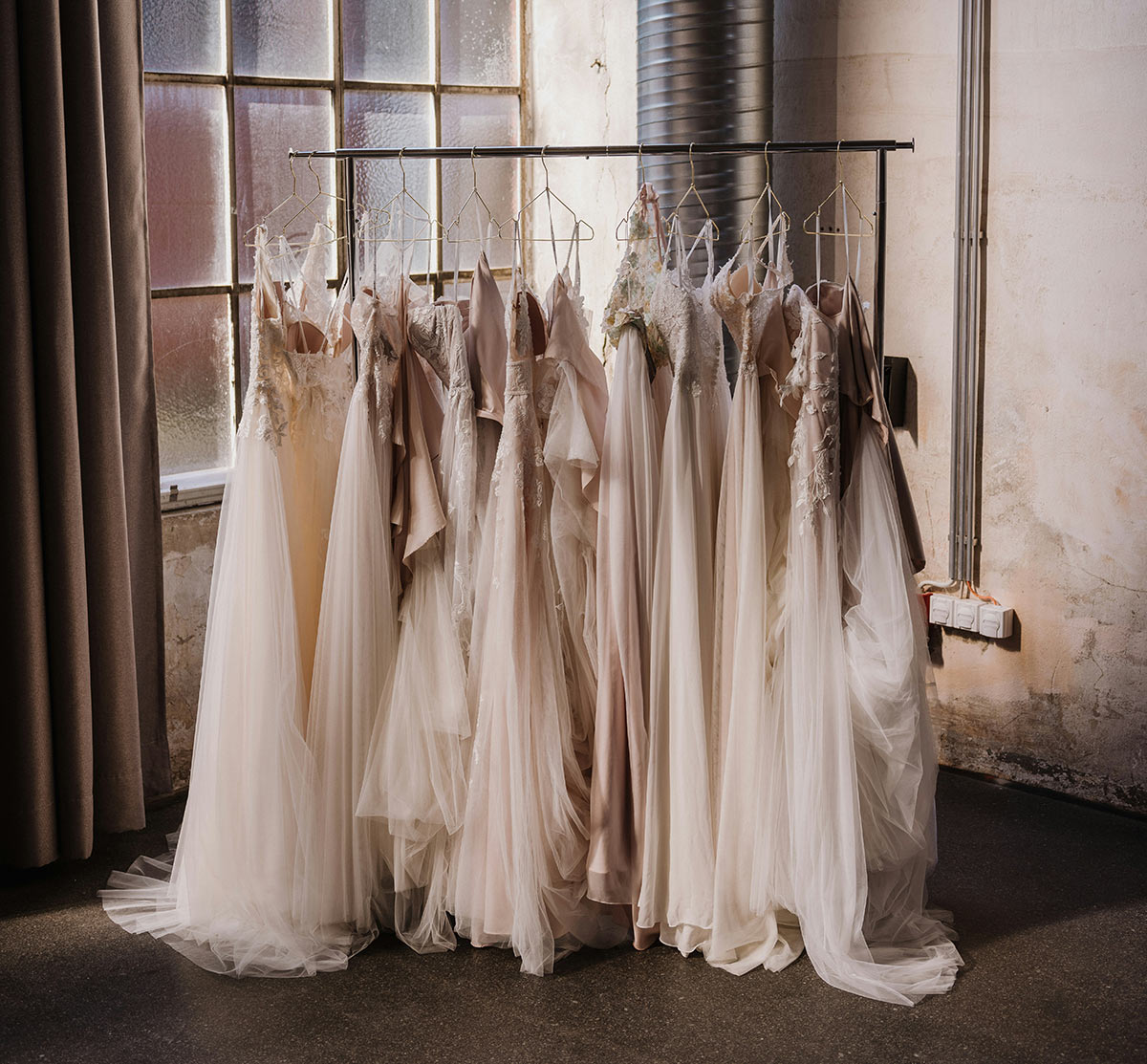
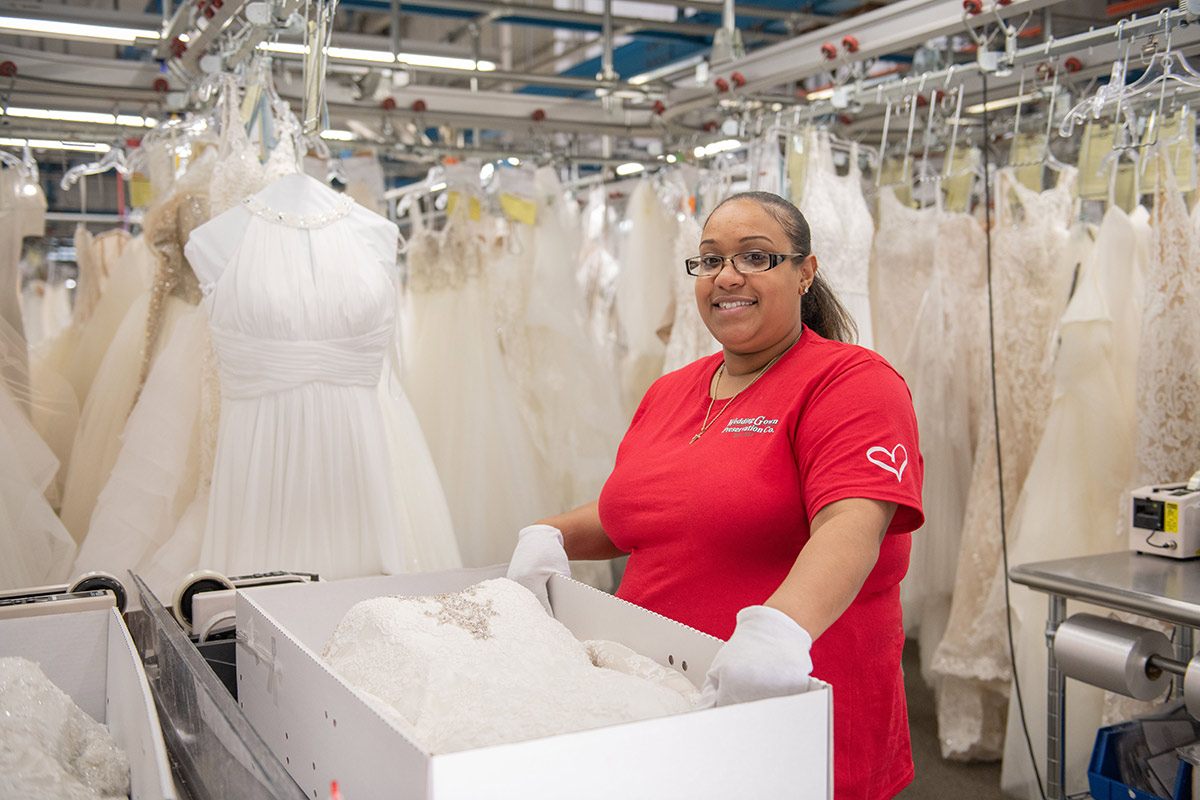
That distinction matters more than it sounds. A typical dry cleaner treats visible marks and presses the dress. But wedding gowns are layered and detailed. Lace overlays. Structured bodices. Hand-sewn beads. Multiple fabrics in one garment. Each element reacts differently to heat and cleaning solutions.
Proper preservation usually includes:
- A full inspection for hidden staining
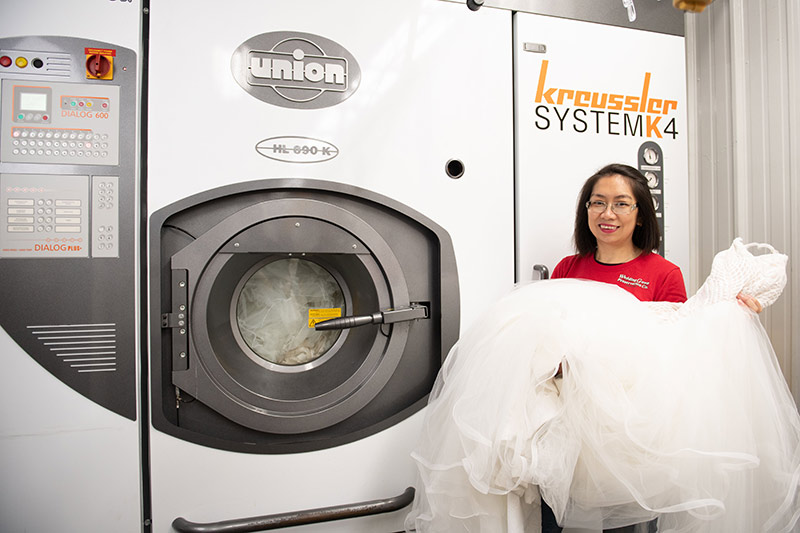
- Cleaning methods chosen based on fabric type
- Gentle handling of delicate details
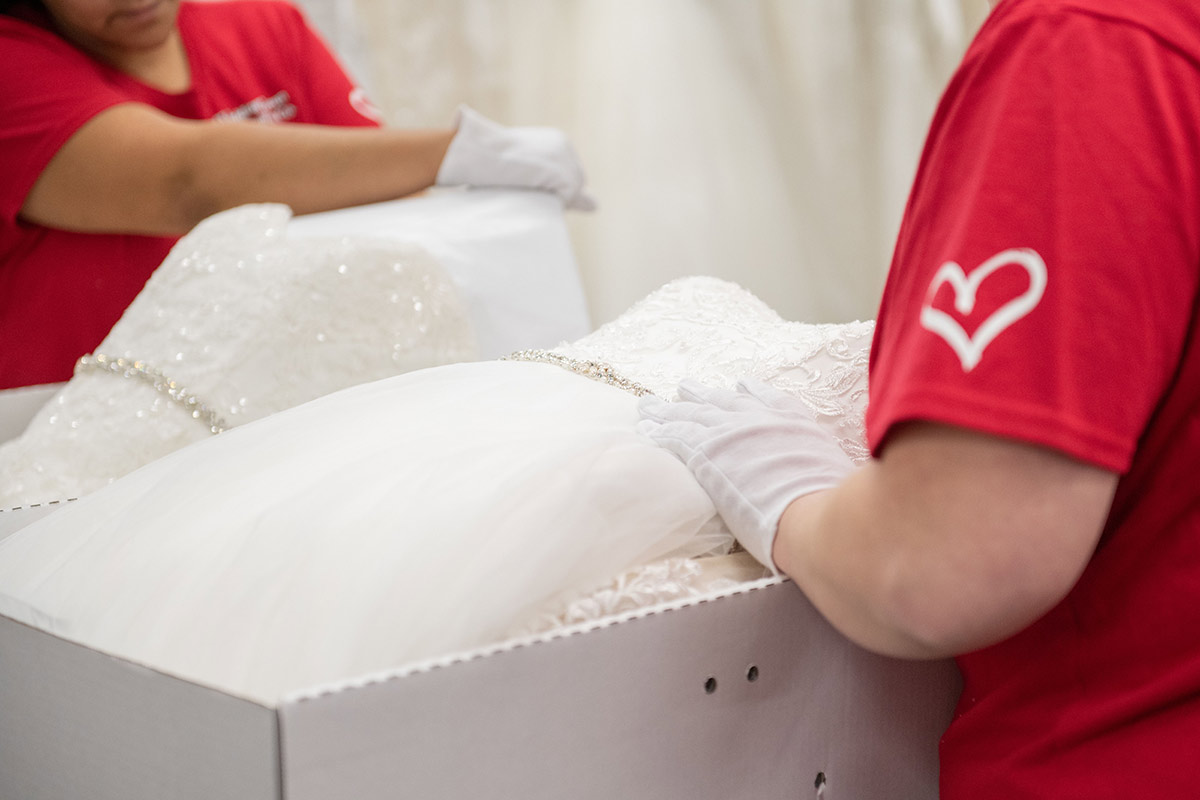
- Acid-free tissue and archival boxing
Acid-free materials help slow yellowing. Proper folding reduces strain on seams and prevents deep creases from forming.
When researching options, many brides explore professional wedding gown preservation services that specialize in long-term care rather than just surface cleaning.
The point isn’t simply to make the dress look refreshed. It’s to stabilize it for the future.
When Should You Preserve Your Wedding Dress?
Sooner is better. That part is simple.
Most experts recommend cleaning the gown within a few weeks after the wedding. The longer the residue remains in the fibres, the more likely it is to darken or oxidize.
Leaving for a honeymoon? Store the dress somewhere cool and dry until you return. Avoid wire hangers. They can distort straps and bodices. Keep the gown out of direct sunlight. And skip folding it tightly into a small container.
Small choices now can prevent larger problems later.
How Much Does Wedding Dress Preservation Cost?
How much does wedding dress preservation cost? In the United States, it usually falls between $200 and $600.
The final price depends on several factors:
- Fabric type
- Level of staining
- Beading or intricate detailing
- Packaging materials
- Shipping and insurance
Silk often requires more specialized handling. Heavier staining may require extra treatment time. It can feel like just one more expense after an already costly wedding. But restoration years later can be significantly more expensive, and sometimes incomplete.
Preservation works as preventive care. It addresses issues before they become permanent.















Can You Preserve a Wedding Dress Yourself?
Can you preserve a wedding dress yourself? You can store it at home, but true preservation involves more than careful folding.
Most at-home storage skips professional stain removal. And untreated residue is the main cause of long-term discoloration.
Archival preservation uses acid-free tissue and boxes designed to reduce exposure to light, air, and environmental shifts. Most homes fluctuate in temperature and humidity more than people realize.
For short-term storage, careful packing may be fine. For long-term protection, professional preservation is generally more reliable.
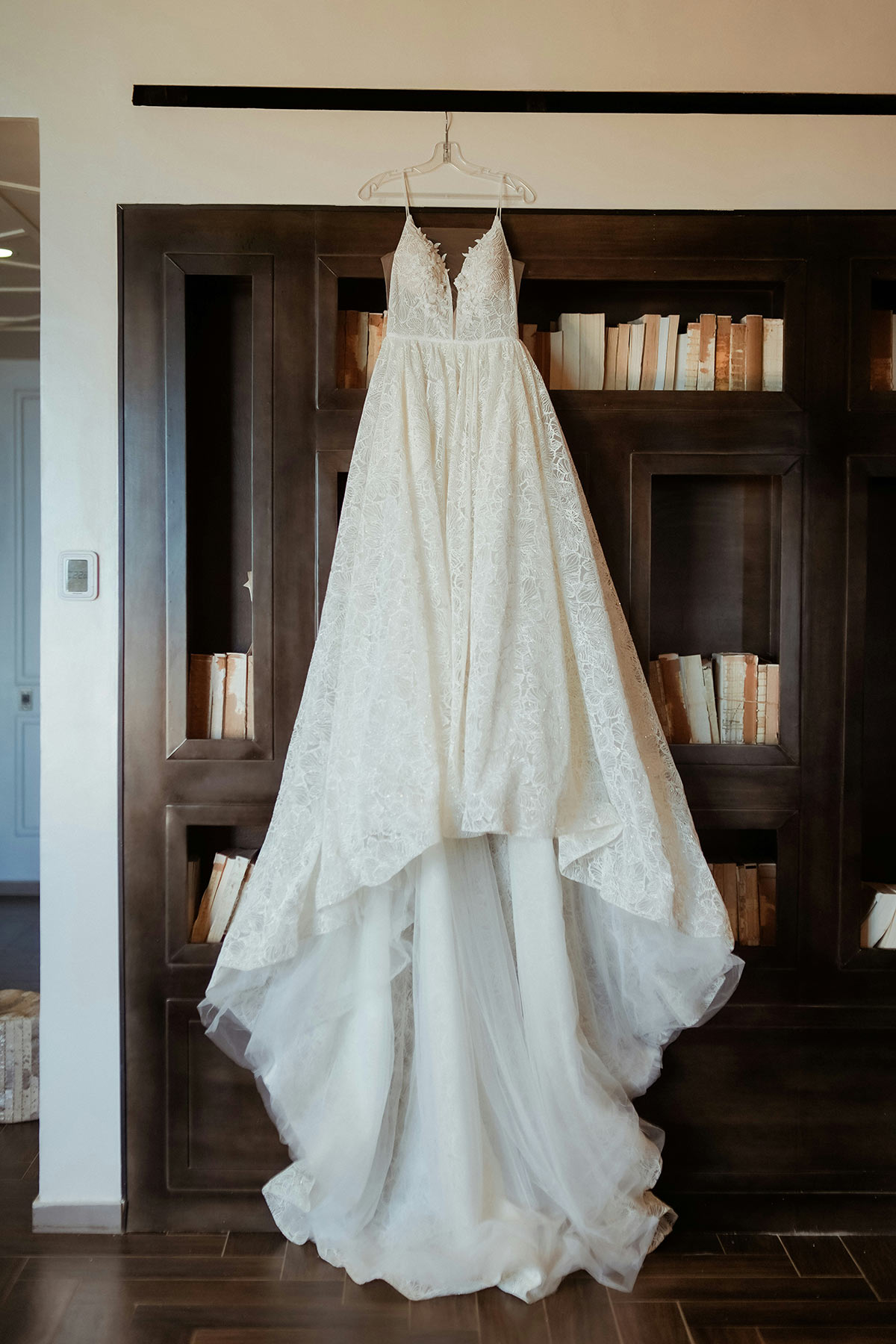
Why Long-Term Preservation Is Emotional, Not Just Practical
A wedding dress carries more than fabric and thread. It holds memory.
You might want to open the box on your anniversary. Or show it to someone years from now. Or simply see it again and remember how you felt in that moment.
Time passes faster than expected. Ten years can feel like two.
Preserving your gown now helps ensure that when you revisit it later, it still reflects the day you wore it, not the effects of time.
FAQs
How do you preserve a wedding dress?
You preserve a wedding dress by professionally cleaning it to remove visible and invisible stains, then storing it in acid-free archival materials that help reduce yellowing, moisture exposure, and fabric breakdown over time.
How much does it cost to preserve a wedding dress?
In most parts of the United States, preservation costs between $200 and $600, depending on fabric type, staining, detailing, packaging, and shipping options.
How long can a preserved wedding dress last?
A professionally cleaned and properly stored wedding dress can last for decades when kept in a cool, dry, and stable environment.
Conclusion
Your wedding day lasts hours. The memories stay with you. Your dress can, too.
Taking care of it now means you won’t look back wishing you had. And when you open that box years from today, you’ll see the gown as you remember it, not a version changed by time.