


There’s something wonderfully overwhelming about planning a wedding. One moment you’re floating on cloud nine after saying yes, and the next, you’re staring at a mountain of decisions that need to be made.
The venue, the flowers, the guest list, the budget, it all starts to feel like a beautiful puzzle with a thousand pieces scattered across your dining table.
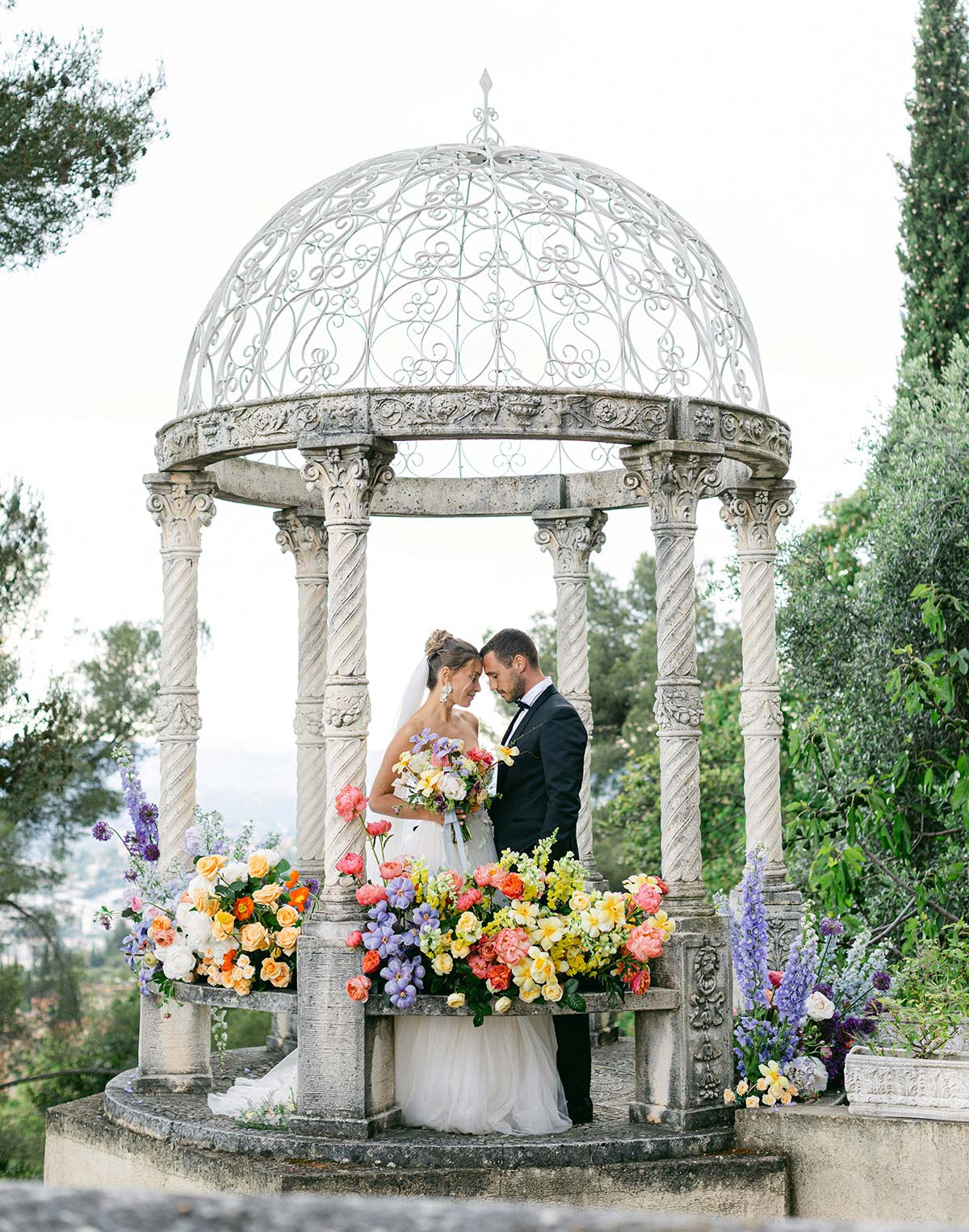
Planning a wedding is a beautiful journey, but without proper organization, it can quickly become overwhelming. A structured wedding management checklist helps ensure that every detail, big or small, is handled smoothly and on time.














Setting the Foundation for Wedding Planning
A well-organized wedding starts with strong fundamentals. Before diving into décor or guest lists, it’s important to define the core framework of the event. Think of this stage as building the skeleton that will support everything else.
Defining Vision, Budget, and Timeline
The first step in any successful wedding plan is clarity. You need to know what you want, what you can afford, and when everything needs to happen.
Wedding vision: This is where you dream a little. Do you see yourself in an intimate garden ceremony or a grand ballroom celebration? Are you going for rustic charm or modern elegance? Deciding on the style, theme, and scale of the wedding early on helps every subsequent decision fall into place more naturally.
Budget planning: Let’s be honest, weddings can get expensive fast. The key is to allocate funds across major categories like venue, catering, attire, and photography before you start booking anything. Create a spreadsheet or use a budgeting app to track expenses in real time. This helps you avoid the panic of realizing you’ve overspent on flowers and now can’t afford the photographer you wanted.
Timeline creation: Weddings don’t come together overnight. Set milestones for bookings, invitations, and final confirmations. Work backwards from your wedding date. If you’re getting married in twelve months, your venue should ideally be booked within the first two months. Invitations should go out six to eight weeks before the big day. These milestones keep you accountable and prevent last-minute scrambling.

Legal and Documentation Considerations
Here’s something many couples overlook in the excitement of planning: the legal side of getting married. Beyond the celebration, there’s paperwork to handle.
Start by understanding your local marriage registration requirements. Different regions have different rules about licenses, waiting periods, and documentation. You’ll typically need identity and address proofs, things like passports, driver’s licenses, or utility bills.
For modern couples looking for flexibility, there are innovative options worth exploring. Some couples prefer to get married online legally before or alongside traditional ceremonies. This approach can simplify the legal process, especially if you’re planning a destination wedding or want to separate the legal formalities from the ceremonial celebration.
It’s a practical solution that gives you peace of mind knowing the paperwork is handled while you focus on creating the perfect celebration.
Vendor Coordination and Logistics
Vendors play a crucial role in executing your wedding vision. Managing them efficiently ensures consistency and avoids last-minute surprises. Think of your vendors as the team that brings your vision to life, each one playing a specific role in the bigger picture.
Key Vendors to Book Early
Some vendors get booked up months or even a year in advance, especially during peak wedding season. Here’s who you should prioritize:
Venue and catering: This is typically your biggest expense and your first major decision. The venue sets the tone for everything else, and most venues have preferred or in-house caterers. Book this as early as possible, ideally eight to twelve months before your wedding date.
Wedding planner or coordinator: If your budget allows, this is one of the smartest investments you can make. A good planner or day-of coordinator can save you countless hours of stress and help you avoid expensive mistakes.
Photographer and videographer: These professionals capture the memories you’ll cherish forever. The best ones book up fast, so reach out early. Look at their portfolios carefully and make sure their style matches your vision.
Decor, music, and entertainment: Whether you want a live band, a DJ, or a string quartet, entertainment can make or break the atmosphere. Similarly, your decorator or florist needs time to source materials and create your vision.

Vendor Management Checklist
Once you’ve found your dream team, proper management becomes essential. Here’s how to stay organized:
Keep signed contracts with clear deliverables for every vendor. Read the fine print carefully. What happens if they can’t make it? What’s included in the package and what costs extra? Having everything in writing protects both parties.
Track payment schedules and advance tracking meticulously. Most vendors require a deposit upfront with the balance due closer to the wedding date. Mark these dates in your calendar and set reminders so you’re never caught off guard.
Always have backup plans for critical services. What if your photographer gets sick? What if there’s a technical issue with the sound system? Professional vendors usually have contingency plans, but it’s worth discussing these scenarios upfront.
For couples who choose to get married online legally before their ceremony, aligning vendor schedules becomes even more flexible. You can focus purely on the celebration without worrying about coordinating with legal officiants or fitting in paperwork signing during the event timeline.
Guest Management and Ceremony Planning
Guest experience is central to a successful wedding. Thoughtful planning ensures comfort, clarity, and celebration for everyone involved. After all, these are the people you love most, gathering to witness and celebrate your commitment.
Guest List and Invitations
The guest list can be surprisingly emotional and political. Start by finalizing your guest count early, this affects almost every other decision, from venue size to catering costs.
Send save-the-dates four to six months before the wedding, especially if you’re having a destination wedding or getting married during a holiday season. This gives people time to make travel arrangements and request time off work.
Your formal invitations should go out six to eight weeks before the wedding. Include all the essential information: date, time, location, dress code, and RSVP deadline.
Track RSVPs digitally or manually, whatever works for your style. Digital tools like wedding websites make this easier, but some couples prefer the traditional route. Either way, follow up with guests who haven’t responded as the deadline approaches.
Ceremony and Ritual Planning
The ceremony is the heart of your wedding day. Whether you’re planning a religious service, a civil ceremony, or something completely personalized, the sequence of rituals and events needs careful coordination.
Work closely with your officiant or registrar to plan the ceremony flow. How long will it be? Who’s walking down the aisle and in what order? What readings or rituals do you want to include?
If you’re integrating legal processes, especially for couples choosing to handle marriage legalities separately from traditional customs, communicate this clearly with everyone involved. Your officiant, venue coordinator, and even your photographer should understand the flow so they can be in the right place at the right time.

Final Week and Wedding Day Execution
The final phase focuses on execution. A detailed checklist helps keep everything on track during the most important moments. This is when all your planning pays off.
Pre-Wedding Final Checks
The week before your wedding, shift into confirmation mode. Confirm vendor arrival times for everyone, your caterer, photographer, decorator, musicians. Create a master timeline and share it with all vendors and key family members.
Prepare emergency kits that include first aid supplies, pain relievers, stain remover, safety pins, makeup for touch-ups, and any other essentials you might need. Assign someone responsible to keep these kits accessible throughout the day.
Reconfirm seating arrangements and event flow with your venue coordinator. Walk through the space if possible, visualizing how guests will move from ceremony to cocktail hour to reception.
Wedding Day Coordination
On the big day itself, you shouldn’t be managing logistics. Assign point persons for vendors, maybe your wedding planner, a reliable friend, or a family member who’s organized and calm under pressure. These people become the go-to contacts for any vendor questions or issues.
Stick to the event timeline as much as possible, but build in buffer time for the inevitable delays. Photos always take longer than expected. People need bathroom breaks. Speeches run over. That’s okay, the buffer keeps you from falling too far behind.
Ensure smooth transitions between ceremonies and celebrations. Someone should cue the musicians, coordinate with catering staff about when to serve each course, and manage the flow so everything feels natural rather than rushed.
Conclusion
A perfectly organized wedding is the result of thoughtful planning, clear communication, and a reliable checklist. By breaking the process into manageable stages, from foundational planning to final execution, couples can enjoy their special day with confidence and peace of mind.
With the right structure in place, your wedding becomes not just an event, but a beautifully coordinated celebration that reflects your love story and creates lasting memories for everyone involved. The key is starting early, staying organized, and remembering that while the details matter, what truly counts is the commitment you’re making and the joy of sharing it with the people you love most.