



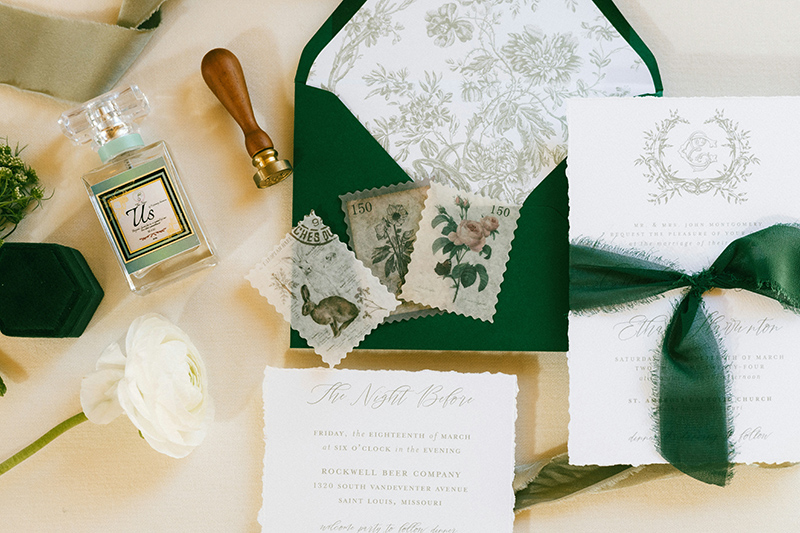
Wedding stationery used to be simple. Pick a template. Add names. Drop it in the mail.
That’s changed.
Today, couples are putting real thought—and real budget—into paper goods. Invitations, signage, and day-of details have become part of how a wedding feels, not just how it functions. Stationery now sets the tone long before guests arrive and lingers well after the last dance.
For couples and wedding professionals alike, this shift is worth paying attention to. Stationery isn’t filler anymore. It’s part of the experience.
The Rise of Experiential Wedding Spending
Weddings have moved beyond checklists.
Many couples are choosing to spend on elements that create emotion and memory rather than purely logistical items. This mirrors a broader trend toward experiential spending, where value is tied to how something feels instead of how long it lasts.
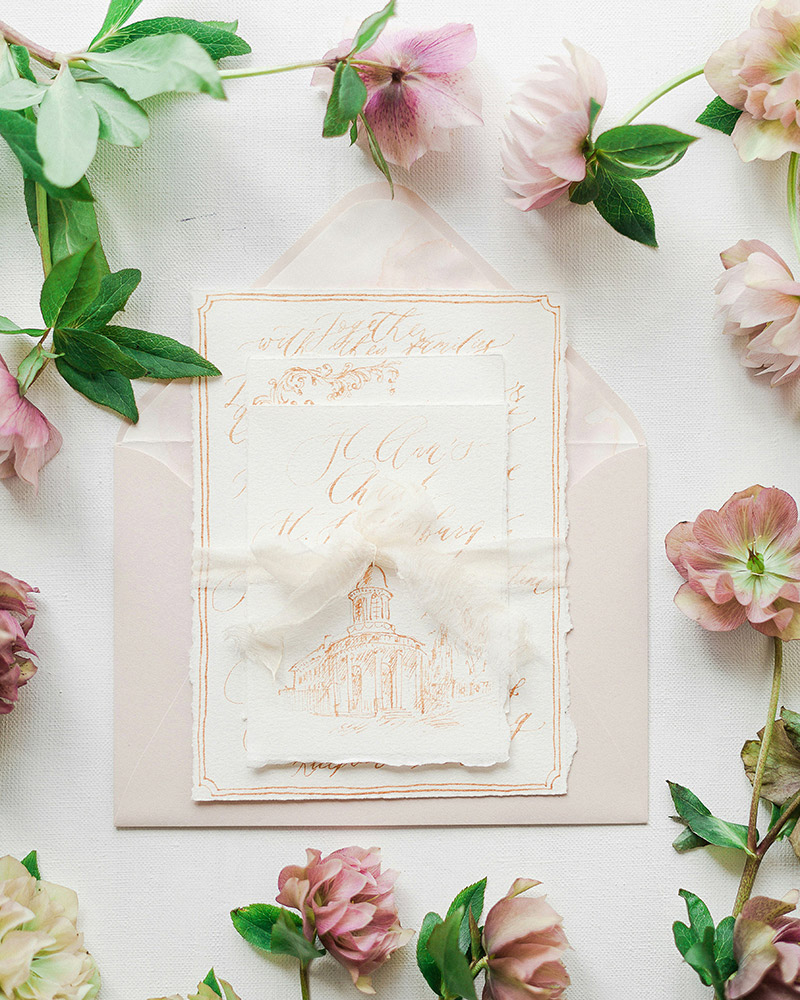
Stationery fits squarely into that mindset. It’s the first physical interaction guests have with the wedding. The weight of the paper. The texture. The typography. All of it sends a message.
According to data from Business Research Insights, the global wedding stationery service market reached roughly USD 0.88 billion in 2024 and is projected to grow to USD 0.97 billion in 2025. Longer-term forecasts point to the market nearly doubling by 2035, with steady annual growth.
That kind of growth doesn’t happen by accident. It reflects how couples perceive stationery: as an experience, not an afterthought.

Stationery as the First Chapter of the Wedding Story
Every wedding tells a story.
Stationery is the opening line.
From save-the-dates to invitations and day-of pieces, paper goods establish the visual and emotional direction of the event. Guests often form expectations before they ever see the venue. Elegant scripts suggest formality. Playful illustrations hint at something relaxed. Minimal layouts signal restraint and intention.
This idea of aesthetic storytelling has become central to wedding planning. Couples want cohesion across every touchpoint, and stationery anchors that look.
Wedding professionals see this shift too. Planners and designers often build palettes and textures starting with paper, then extend them into florals, signage, and tablescapes.
It’s not decoration for decoration’s sake.
It’s narrative.
Personalization Is Driving Demand
Generic designs don’t resonate the way they once did.
Couples want stationery that reflects who they are, not just the date and location. That desire shows up clearly in the numbers.
The Global Wedding Invitation Printing Service Market Report estimates that about 28% of couples worldwide chose customized printed invitations in 2024. That’s a significant share for a category that once leaned heavily on standard templates.
Personalization can mean a lot of things:
- Custom illustrations of venues or cities
- Unique color palettes tied to cultural traditions
- Handwritten-style fonts that feel intimate
- Thoughtful wording that reflects the couple’s voice
This is where products like personalized wedding invitations come into play. Custom options allow couples to move beyond one-size-fits-all designs without sacrificing quality or clarity.
For many, the appeal isn’t extravagance. It’s relevance.
Stationery Has Become a Budget Line Item
Paper costs money.
Couples know this, and they’re planning for it.
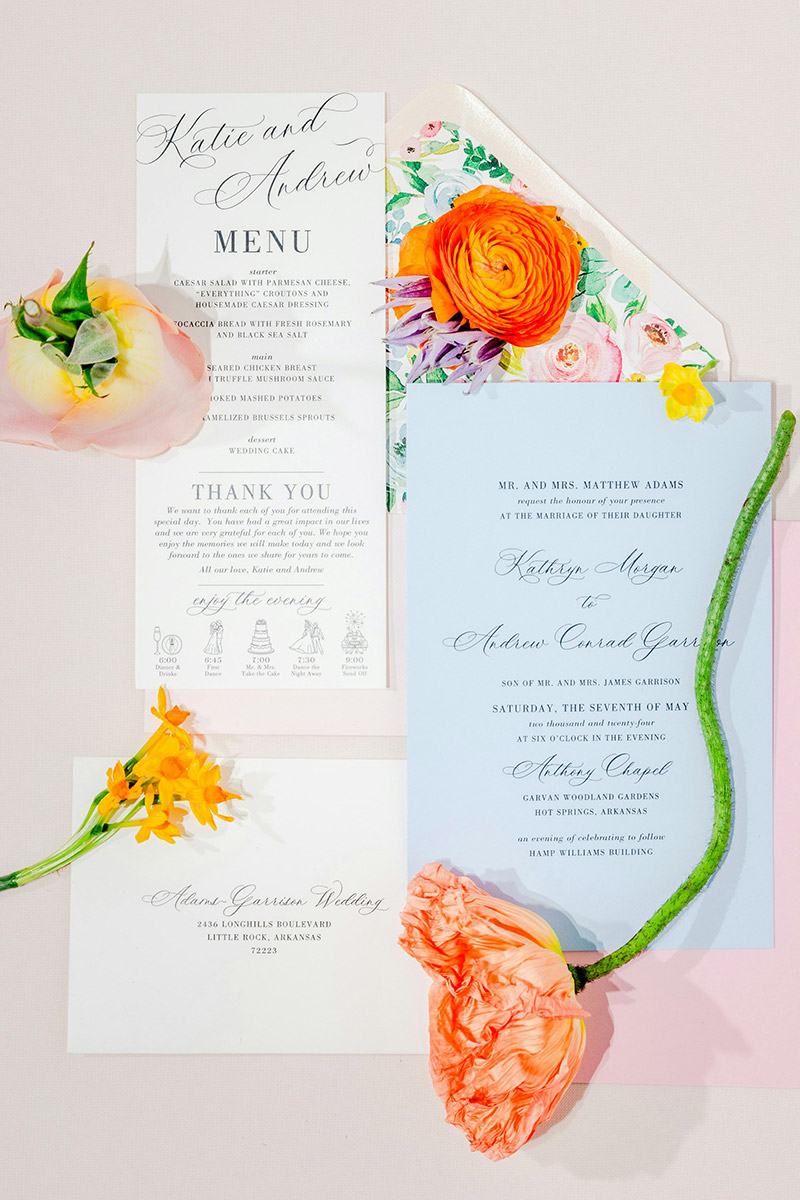
According to spending data from The Knot, the average couple spends about $518 on their full stationery suite. Depending on guest count, that range typically falls between $299 and $623.
Those figures include more than invitations:
- Save-the-dates
- Programs
- Place cards
- Menus
- Thank-you notes
When you zoom out, that spending makes sense. Stationery is visible, tactile, and shared with every guest. Compared to something fleeting, like favors that may be left behind, paper often feels like a better value.
It also occupies a clear place within overall wedding budgets. With the U.S. wedding industry valued at roughly $63.35 billion in 2024 and more than two million weddings that year, as reported by Wedding. Report, stationery represents a consistent slice of a very large pie.

Printed Details Extend Beyond Invitations
Invitations may start the conversation, but they don’t end it.
Couples are investing in a full range of printed elements to guide guests and enhance the day itself. Think welcome signs, seating charts, bar menus, and directional pieces.
Even outdoor elements have gained attention. Items like yard signs are being used for ceremony directions, parking guidance, and personalized welcomes—especially for venues spread across larger properties.
These pieces serve a dual purpose:
- They reduce confusion
- They reinforce the wedding’s visual identity
When every sign looks intentional, guests notice.
The Broader Printed Wedding Market
Stationery doesn’t exist in isolation.
It’s part of a much larger ecosystem of printed wedding merchandise. According to Fortune Business Insights, the global printed wedding merchandise market reached USD 12.38 billion in 2024 and is projected to grow steadily through the early 2030s.
This category includes:
- Invitations and paper goods
- Printed décor
- Customized favors
- Signage and displays
Asia Pacific currently holds the largest regional share, followed by North America and Europe. That regional spread highlights how universal the appeal of printed wedding items has become.
It’s not a niche trend.
It’s a global one.
Why Paper Still Matters in a Digital Age
Yes, digital tools are everywhere.
But weddings remain deeply tactile experiences. Guests dress up. They gather. They touch, hold, and interact with physical spaces.
Stationery fits that environment better than screens do.
A printed invitation can be pinned to a fridge. A program can be tucked into a keepsake box. A menu can spark conversation at the table. These objects live on after the event, even if quietly.
That staying power adds to perceived value. Couples aren’t just paying for information delivery. They’re paying for objects that hold meaning.

What This Means for Wedding Professionals
For planners, designers, and venues, this shift opens opportunities.
Stationery can be positioned as:
- A foundational design element
- A guest experience tool
- A way to bring cohesion to complex events
Professionals who understand paper—how it looks, feels, and functions—can guide couples toward choices that support the overall vision. That guidance builds trust.
And trust builds referrals.
How Brands Like Elegant Wedding Fit In
Curated stationery services, such as those offered by Elegant Wedding, align naturally with this demand for thoughtful, polished paper goods.
Couples aren’t just shopping for products. They’re looking for confidence. They want to know their stationery will reflect the care they’ve put into every other detail.
When paper feels intentional, it elevates the entire celebration.
Conclusion: More Than Paper
Couples are investing more in wedding stationery because it delivers something deeper than information.
It creates anticipation.
It tells a story.
It makes guests feel considered.
Supported by steady market growth, rising personalization rates, and measurable budget allocation, stationery has secured its place as a meaningful part of the wedding experience. For couples, it’s a chance to express identity. For professionals, it’s an opportunity to add value where it’s noticed most.
Paper may be simple.
But in weddings, it speaks volumes.